
To cultivate patience and allow healing to unfold, focus on gentle persistence and mindful awareness during your journey. Embrace each moment, recognizing that progress happens gradually and often quietly. Practice accepting setbacks and sitting with discomfort without rushing or forcing results. Establish routine self-care and celebrate small victories, trusting that growth takes time. By maintaining this compassionate approach, you’ll create space for natural, sustainable healing to develop—continue exploring how to nurture this process further.
Key Takeaways
- Practice mindful awareness to recognize impatience and gently redirect focus to the present moment.
- Embrace acceptance, understanding that healing unfolds naturally over time without forcing outcomes.
- Cultivate gentle persistence by maintaining consistent, compassionate effort without rushing progress.
- Use deep breathing and self-care routines to ground yourself and support the healing process patiently.
- Celebrate small milestones and trust that natural growth occurs when conditions are right.
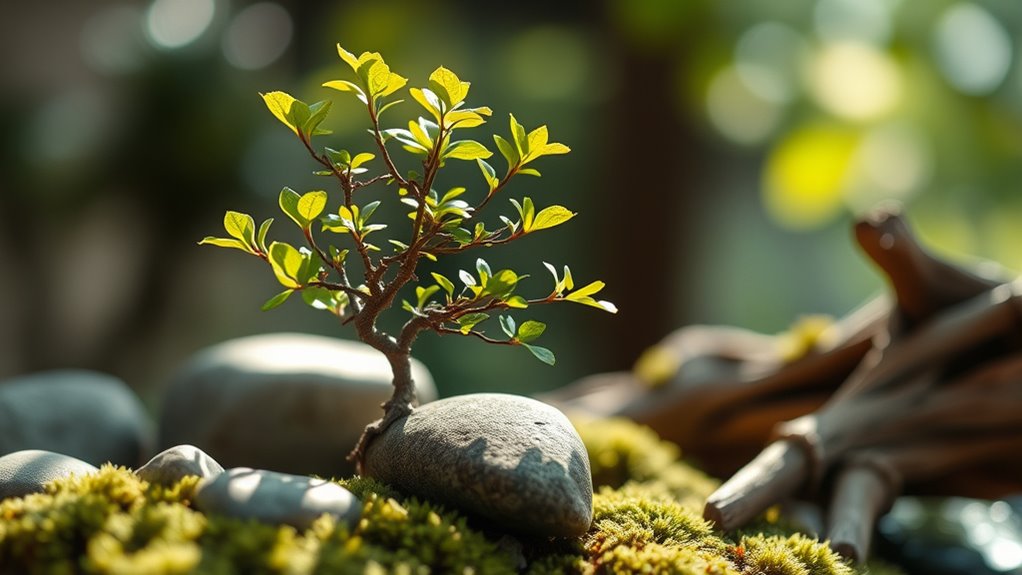
Have you ever wondered why patience often feels so elusive? It’s understandable—our fast-paced world constantly pushes us for quick results. But true patience isn’t about waiting impatiently or forcing things to happen on our timeline. Instead, it’s about embracing mindful waiting and practicing gentle persistence. When you approach patience as a mindful act, you shift your focus from rushing to observing and accepting the present moment. This awareness helps reduce the frustration that often accompanies waiting. You become more attuned to the subtle signs of progress, even if they seem small or slow. With gentle persistence, you maintain your commitment to healing or growth without forcing outcomes or becoming discouraged when progress stalls. It’s about trusting the process, knowing that healing unfolds in its own time.
To cultivate this kind of patience, you need to start by grounding yourself in the present. When you notice impatience or frustration creeping in, take a deep breath and bring your attention back to what’s happening right now. Recognize that healing isn’t a linear journey—it’s often filled with setbacks, pauses, and moments of quiet reflection. By practicing mindful waiting, you learn to sit with discomfort without becoming overwhelmed by it. This doesn’t mean passivity; rather, it’s a gentle acknowledgment that some things require time and care. When you approach your healing with patience, you create space for growth to unfold naturally. Additionally, understanding the hours of beauty stores in your area can help you plan your self-care routines more effectively, supporting your process of healing and growth.
Gentle persistence is equally essential. Instead of pushing yourself or forcing progress, you persist calmly and consistently. Think of it as tending a garden—you water and care for your plants patiently, trusting that growth will happen when the conditions are right. In the same way, your healing process benefits from gentle, sustained effort rather than frantic attempts to speed things up. Celebrate small victories and moments of clarity along the way. These are signs that your patience is paying off, even if they seem insignificant at first. Over time, this steady, compassionate approach helps you build resilience and trust in your ability to heal.
Top picks for "cultivat patience allow"
Open Amazon search results for this keyword.
As an affiliate, we earn on qualifying purchases.
Frequently Asked Questions
How Can I Tell if My Patience Is Truly Growing?
You’ll notice your patience growing when you practice mindful awareness, catching yourself before reacting impulsively. If you’re able to stay calm in challenging moments, that’s a sign of progress. Gratitude journaling helps you appreciate small victories, reinforcing your patience. When setbacks don’t frustrate you as much or you handle delays with ease, it’s clear your patience is truly developing. Keep observing these shifts; they show your patience is blossoming.
What Are Common Signs of Impatience During Healing?
You might notice signs of impatience during healing, like irritability, restlessness, or difficulty staying present. Don’t dismiss these feelings—use mindfulness practices and emotional awareness to observe them without judgment. If you catch yourself wanting quick results or feeling frustrated, it’s a clear sign to slow down and nurture patience. Recognizing these signs helps you stay grounded, allowing healing to unfold naturally instead of forcing it.
How Does Patience Impact Emotional Resilience?
Patience strengthens your emotional resilience by helping you stay grounded through mindfulness practices and emotional acceptance. When you practice patience, you learn to observe your feelings without judgment, which allows you to respond thoughtfully instead of react impulsively. This calm approach builds your capacity to handle setbacks and stress, making you more adaptable and resilient. Over time, patience becomes a crucial tool for steering through emotional challenges with greater strength and clarity.
Can Impatience Hinder Physical Recovery?
Oh, impatience probably thinks it’s clever, but it’s actually sabotaging your recovery. When you rush, you resist the natural healing process, making mindfulness meditation and gratitude journaling less effective. These practices teach patience, which helps you accept setbacks and stay grounded. Without patience, your physical recovery stalls, as stress and frustration take over, turning healing into a frantic race. Embrace patience, and healing becomes a smoother journey.
What Daily Practices Best Foster Long-Term Patience?
To foster long-term patience daily, start with mindful breathing to center yourself and reduce stress. Practice gratitude journaling each day to shift focus from frustration to appreciation, reinforcing positive outlooks. These habits help you develop resilience and calmness over time. Consistently integrating mindful breathing and gratitude journaling into your routine builds a foundation of patience that supports healing and personal growth.
Conclusion
As you embrace patience, you’ll notice how healing unfolds naturally, almost as if timing aligns perfectly. Sometimes, it’s in those quiet moments when you least expect it that progress appears. Just like a seed sprouting after a gentle rain, patience creates space for growth. Trust that, in its own time, your healing will emerge, reminding you that sometimes, the best things happen when you least rush them. Patience truly guides the way.