

Gratitude practices often fail because they can become dull if you don’t find ways to keep them engaging and personalized. Using routines that don’t fit your life, losing motivation over time, or viewing journaling as a chore can all cause your progress to fade. To fix this, try mixing up your methods, adding mindfulness, and making practices enjoyable and meaningful. Staying consistent and adjusting your approach will help you build lasting gratitude habits that truly benefit you.
Key Takeaways
- Practices may become monotonous or feel like chores, reducing engagement and motivation to continue.
- Lack of personalization or variety can cause routines to fade and lose effectiveness over time.
- Inadequate integration into daily life makes gratitude exercises easy to forget or neglect.
- Journaling without reflection or meaningful prompts can make the activity feel superficial or burdensome.
- Failing to incorporate mindfulness limits awareness of small, everyday blessings, diminishing the practice’s impact.
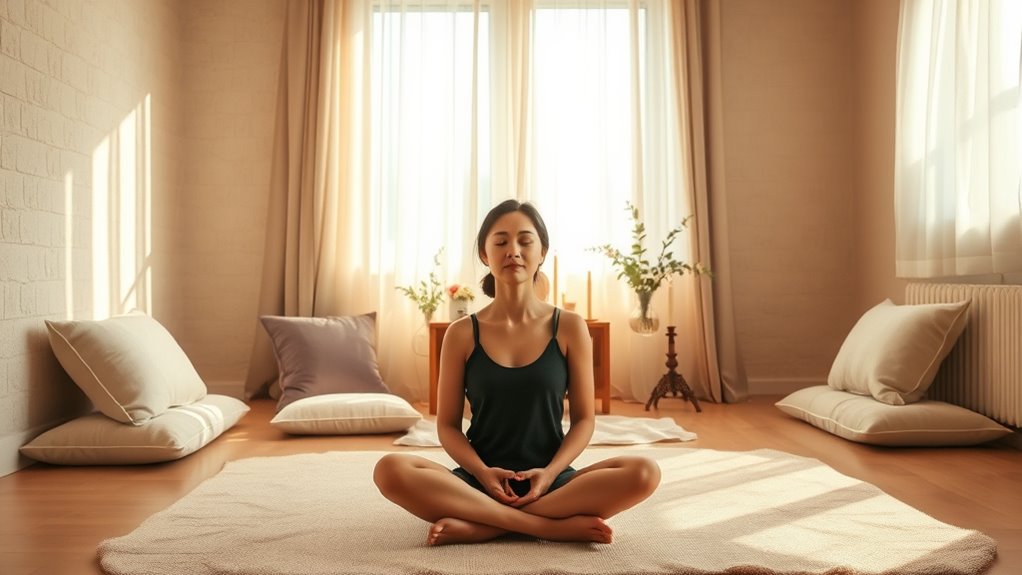
Practicing gratitude can profoundly improve your overall well-being and outlook on life. When done correctly, it helps you focus on the positive aspects of your daily experiences, fostering a sense of contentment and resilience. However, many people find that their gratitude practices quickly fade or seem ineffective. One common reason for this failure is that the methods used aren’t engaging enough or don’t fit seamlessly into your routine. To make gratitude work for you, consider incorporating mindfulness exercises and journaling techniques that deepen your practice and keep it sustainable.
Mindfulness exercises are a powerful way to anchor your gratitude practice in the present moment. Instead of rushing through a list of things you’re grateful for, take a few minutes to sit quietly and breathe deeply. As you breathe, become aware of your surroundings, sensations, and feelings without judgment. This heightened awareness allows you to notice small blessings that might otherwise go unnoticed, like the warmth of the sun or a kind word from a friend. When you approach gratitude with mindfulness, it transforms from a fleeting thought into a meaningful experience. Regularly practicing mindfulness exercises helps you develop a habit of being fully present, which naturally enhances your ability to recognize and appreciate the good in your life.
Journaling techniques are another effective way to sustain your gratitude practice. Many people give up because they view gratitude journaling as a chore rather than a meaningful activity. To fix this, make journaling enjoyable and personalized. Set aside a specific time each day or week when you write about things you’re thankful for, but don’t just list them. Expand on why they matter to you and how they make your life better. Use prompts that spark reflection, such as “What’s one small thing that brought me joy today?” or “Who made a positive impact on my life recently?” Writing in a journal creates a tangible record of your gratitude, which you can revisit to boost your mood during tough times. It also encourages consistency, turning gratitude into a habit rather than a fleeting thought. Incorporating divorce rates data can remind you that all aspects of life, including challenges, are part of the human experience, making gratitude even more meaningful.
If you notice your gratitude practice slipping away, don’t get discouraged. Instead, revisit your approach by adding variety—try new mindfulness exercises or different journaling prompts. Keep your practice fresh and relevant to your life. Remember, the key is consistency and genuine engagement. When you actively incorporate mindfulness exercises and journaling techniques tailored to your preferences, your gratitude practice becomes more meaningful and resilient. Over time, you’ll find it easier to maintain, and it will continue to positively influence your overall well-being. By making small adjustments and staying committed, you’ll discover that gratitude isn’t just a fleeting activity but a lasting foundation for a happier, more fulfilled life.
Frequently Asked Questions
Can Gratitude Practices Replace Therapy or Medical Treatment?
You might wonder if gratitude practices can replace therapy or medical treatment. While they boost positivity, they shouldn’t lead to emotional dependence or spiritual bypassing, which can mask underlying issues. Gratitude is a helpful tool, but it’s not a substitute for professional care. Rely on therapy or medical treatment when needed, and use gratitude practices as a supportive complement to your overall mental health strategy.
How Long Does It Typically Take to See Results From Gratitude?
When you start gratitude practices, timing expectations vary, but you might notice measurable outcomes within a few weeks. Consistency is key, and some people see mood improvements or increased positivity after just 10 days. However, for lasting changes, it can take a month or more. Be patient and keep practicing regularly, as persistence helps solidify these benefits and creates a more optimistic outlook over time.
Are There Cultural Differences in Practicing Gratitude Effectively?
Cultural differences in practicing gratitude are like varied spices in a recipe—you need to adapt to taste. Social norms and cultural expectations shape how openly you express thanks, making some practices more effective in certain societies. In some cultures, public gratitude is valued, while others prefer private reflection. Recognizing these differences helps you tailor your approach, ensuring your gratitude practice resonates authentically across diverse cultural contexts.
Can Gratitude Practices Cause Negative Emotions or Guilt?
You might find that gratitude practices can sometimes trigger emotional pitfalls like guilt, especially if you focus on what you lack rather than what you have. Guilt triggers can make you feel unworthy or uncomfortable, which hampers your progress. To avoid this, acknowledge your feelings without judgment and practice genuine gratitude. This helps you stay balanced and prevents negative emotions from overshadowing the positives of your gratitude journey.
What Are Some Common Mistakes to Avoid When Starting Gratitude Exercises?
You might start gratitude exercises with good intentions, but avoid common mistakes like ignoring consistency or settling for superficial gratitude. If you skip regular practice, progress stalls like a car without fuel. Focusing only on surface-level thanks can feel empty, reducing motivation. Instead, aim for genuine appreciation, making gratitude a daily habit. This keeps your practice meaningful and helps you build lasting positivity, rather than just going through the motions.
Conclusion
Remember, gratitude isn’t just a checklist—it’s a mindset you cultivate daily. If your practices fall flat, it’s okay; reflect on what’s blocking your genuine appreciation. Sometimes, you need to slow down and reconnect with what truly matters. As the saying goes, “A journey of a thousand miles begins with a single step.” Keep trying, stay authentic, and soon gratitude will become a natural part of your life, not just a routine.