

When your efforts feel one-sided, remember that external factors and circumstances can influence others’ ability to reciprocate. Stay resilient and patient, understanding that progress often involves small wins and changes over time. Focus on appreciating your own efforts and maintaining a positive attitude, even if recognition seems delayed. Keep in mind that external challenges are temporary, and your persistence can lead to growth. If you stay committed, you’ll discover more strategies to navigate these moments successfully.
Key Takeaways
- Recognize that external factors may influence others’ ability to reciprocate; their actions are not always a reflection of your worth.
- Practice patience and detach self-worth from immediate external validation to build emotional resilience.
- Celebrate small progress and effort, understanding growth often occurs gradually and unevenly.
- Maintain focus on your intentions and consistent effort, regardless of external responses or setbacks.
- Cultivate compassion for external circumstances, fostering understanding rather than frustration or resentment.

When your relationship or pursuit feels one-sided, it’s easy to become discouraged or question your efforts. You might wonder if your actions are enough or if your feelings are being truly reciprocated. During these times, it’s vital to remember the importance of mutual appreciation. While it’s natural to seek validation and recognition from others, you also need to acknowledge what you bring to the table. Recognize your own worth, your dedication, and the genuine intention behind your efforts. Sometimes, the other person might not express appreciation openly, but that doesn’t mean it isn’t there. Cultivating an awareness of mutual appreciation, even in small gestures, can help you maintain perspective and stay motivated. Remember, consistent effort often speaks louder than immediate reciprocation.
Recognize your worth and efforts; small gestures of appreciation can sustain motivation even when it’s not immediately visible.
Alongside mutual appreciation, developing emotional resilience becomes essential. When you’re putting energy into something that feels one-sided, setbacks and doubts are bound to arise. Emotional resilience enables you to withstand these moments without losing your sense of purpose or self-esteem. It’s about accepting that not every effort will be immediately acknowledged or rewarded, yet staying committed because your motivations are rooted in genuine care or passion. Building this resilience involves practicing patience, managing your expectations, and learning to detach your self-worth from external validation. Recognizing the importance of emotional resilience can help you navigate these challenges more effectively. Additionally, understanding the concept of external factors can provide perspective on external influences that might temporarily hinder others’ ability to reciprocate. Sometimes, external factors like support systems or personal circumstances can impact someone’s capacity to express appreciation, and acknowledging this can foster compassion rather than resentment. By doing so, you protect your emotional well-being and avoid burnout or resentment.
It’s also helpful to remind yourself that relationships and pursuits aren’t static. They evolve, and sometimes, a lack of reciprocation might reflect external factors rather than a deliberate neglect. People have their own struggles and limitations, which can temporarily hinder their ability to express appreciation or engage fully. Instead of assuming the worst, give space for growth and change. Focus on what you can control—your attitude, your patience, and your ongoing efforts. Celebrate small wins and recognize your progress, even if others don’t immediately do the same. This approach cultivates a sense of accomplishment and keeps your motivation intact.
Ultimately, when things feel one-sided, it’s crucial to balance your desire for mutual appreciation with the development of emotional resilience. By doing so, you protect your heart, maintain your integrity, and stay committed to your journey, regardless of external responses. Remember that your effort and intention matter, and sometimes, perseverance and inner strength are the most powerful tools you have to keep moving forward.

Emotional Agility: Get Unstuck, Embrace Change, and Thrive in Work and Life
As an affiliate, we earn on qualifying purchases.
As an affiliate, we earn on qualifying purchases.
Frequently Asked Questions
How Can I Tell if My Efforts Are Truly Appreciated?
You can tell if your efforts are truly appreciated by paying attention to emotional validation from others. Do they acknowledge your hard work and express gratitude? Look for effort recognition in their words and actions—like compliments, support, or reciprocation. If you notice consistent appreciation and genuine engagement, your efforts are valued. If not, it might be time to communicate your needs or reevaluate the relationship to guarantee mutual respect.
What Are Signs My Relationship Is Imbalanced?
Your relationship might be imbalanced if you feel like you’re giving a hundred times more than you’re receiving. Signs include a lack of emotional reciprocity, where your feelings or needs are ignored, and a constant sense of being emotionally drained. Conduct a balance assessment regularly—notice if your partner dismisses your concerns or if efforts to connect are one-sided. If so, it’s time to address the imbalance before it grows worse.
How Do I Communicate My Feelings Effectively?
To communicate your feelings effectively, embrace emotional vulnerability by honestly sharing your thoughts without fear. Use active listening when your partner responds, showing genuine interest and understanding. Express yourself clearly and calmly, focusing on how you feel rather than blaming. This approach fosters trust and openness, helping your partner see your perspective. Remember, honest, compassionate communication builds stronger connections, even when the journey feels one-sided.
When Should I Consider Stepping Back?
Like a lighthouse guiding ships, you should consider stepping back when your emotional boundaries feel overwhelmed or when self-care strategies no longer restore your balance. Recognize signs of emotional drain, and don’t hesitate to take space for yourself. Prioritizing your well-being isn’t selfish; it’s essential. Stepping back allows you to replenish your emotional reserves, gain clarity, and return with renewed strength and perspective, ensuring your journey remains sustainable and healthy.
How Can I Rebuild Trust After Feeling Ignored?
To rebuild trust after feeling ignored, start by showing emotional vulnerability and openly expressing your feelings. Practice active listening when they speak, giving them your full attention and validating their perspective. This exemplifies your commitment to understanding and reconnecting. Be patient, consistent, and honest in your actions. Over time, these efforts will help restore trust and strengthen your relationship, making it more resilient and genuine.

Patience and Perseverance: A 100-DAY Journal to Help You Discover Your Strengths and Find Inner Peace with God's Word
As an affiliate, we earn on qualifying purchases.
As an affiliate, we earn on qualifying purchases.
Conclusion
Remember, even a one-sided journey is like a river carving its path through stone—it may seem relentless, but over time, its steady flow shapes the landscape. Stay true to your purpose, knowing that persistence and patience can transform your efforts into something beautiful. Don’t forget, sometimes the strongest currents come from within, guiding you forward even when it feels like the world isn’t moving with you. Keep flowing, and trust that your path will reveal itself.

Squeeze the Day: A Celebration Journal for Small Wins & Everyday Joy
As an affiliate, we earn on qualifying purchases.
As an affiliate, we earn on qualifying purchases.
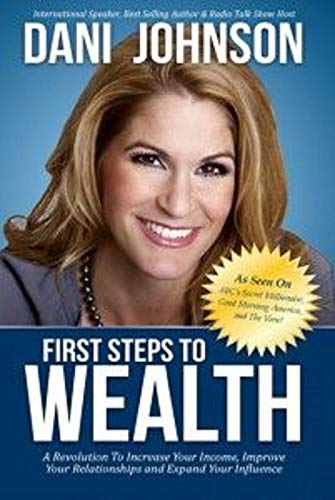
First Steps to Wealth: A Revolution to Increase Your Income, Improve Your Relationships and Expand Your Influence
Hardcover
As an affiliate, we earn on qualifying purchases.
As an affiliate, we earn on qualifying purchases.