TL;DR

Get books, candles and calm essentials delivered free — and shop member deals
- Fast, free delivery on millions of items
- Access to Prime Big Deal Days deals on October 6–7
- Prime Video, Amazon Music and more included
Spiritual Halloween decorations use meaningful symbols, lighting, natural materials, and personal touches to create a reflective seasonal space. Choose pieces that connect to your own beliefs, honor loved ones in ways that feel right, and learn about cultural traditions before borrowing their symbols.
A candlelit shelf can feel more meaningful than a whole room full of plastic ghosts. The difference is often what you intend: a remembrance, a moment of reflection, a welcome to the changing season, or simply a quieter kind of Halloween atmosphere.
Spiritual Halloween decorations can include candles, natural objects, personal photographs, crystals, or symbols from traditions you practice. There is no universal set of objects or guaranteed spiritual effect. Your choices depend on your beliefs, your household, and the meaning you give each item.
This guide helps you build a thoughtful display, understand common symbols without treating them as interchangeable, and keep your choices safe, personal, and respectful. You will also find practical ideas for honoring someone you miss, using lower-waste materials, and balancing a spooky look with a warm, reflective feeling.
Name the feeling you want your display to support before choosing objects.
Use photographs, notes, and familiar keepsakes for personal remembrance without needing formal ritual items.
Learn the meaning of cultural or religious symbols before using them as seasonal props.
Choose LED candles or carefully supervised flames, and account for smoke, fragrance, pets, and fire hazards.
Reuse household materials and natural finds to make a lower-waste display that still feels personal.
What makes Halloween decorations feel spiritual rather than just spooky?
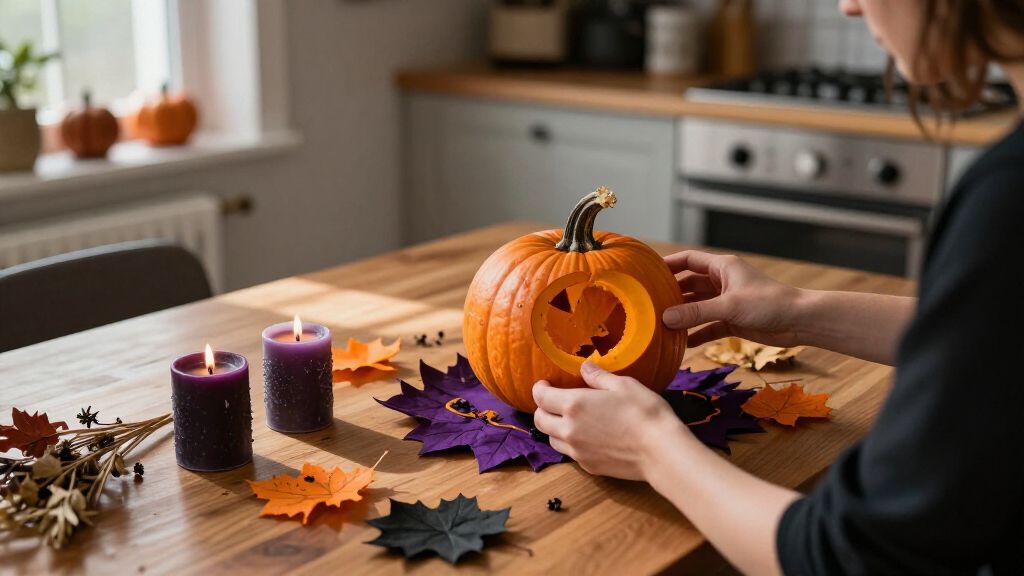
Spiritual Halloween decorations connect a seasonal display to a belief, memory, or practice you personally value. A carved pumpkin can be ordinary porch decor; paired with a quiet moment of gratitude for the harvest, it can also mark a meaningful seasonal pause. Intention gives an object context, but it does not make one symbol mean the same thing to everyone.
Halloween’s history is often linked with Samhain, a seasonal festival associated with the end of harvest and the beginning of winter in Celtic traditions. Modern Halloween customs come from many influences, and people celebrate them in different ways. It is more accurate to describe that history as a collection of influences than to claim that every modern decoration carries one ancient meaning.
Think of your display like a playlist: one song sets the mood, but each choice still has its own history. If you place a small lantern near a bowl of apples because it reminds you of autumn walks with your grandmother, that meaning is yours. You do not need elaborate ritual objects to create a space that feels reflective.
Before you decorate, name the feeling you want: remembrance, seasonal change, comfort, or playful mystery. Then choose a few items that support it. That simple step makes the display more coherent than buying symbols because they look mysterious, and it helps you explain your choices to guests who ask.
As an affiliate, we earn on qualifying purchases.
Choose symbols you understand, not just ones that look mysterious
Spiritual Halloween decorations often incorporate symbols meant to honor ancestors, ward off negative influences, or express protection, but their meanings depend on a person’s tradition and beliefs. A skull, candle, crystal, or religious image is not a universal sign with one fixed meaning. Learn the context first, then decide whether the object belongs in your home.
Candles can mark remembrance, prayer, or a calm evening, depending on how you use them. A crystal such as amethyst or black tourmaline may hold personal significance for someone who practices crystal-based spirituality; other people use the same stones simply for their color and texture. Neither use needs to be presented as a guaranteed outcome.
For example, Maya decorates a narrow entry table with a dark-purple cloth, a battery-operated candle, and a piece of driftwood from a family beach trip. She chooses those objects because they remind her of her late uncle and the coastline he loved. The display is personal without suggesting that everyone should share her beliefs.
Religious icons and symbols associated with particular spiritual traditions deserve extra care. If you do not know what an object means, ask someone knowledgeable or use a different item. Respect is part of the decoration: avoid treating sacred objects as generic Halloween props, and do not claim a spiritual effect you cannot support.
personal remembrance Halloween display
As an affiliate, we earn on qualifying purchases.
As an affiliate, we earn on qualifying purchases.
Build a small remembrance display in five thoughtful steps
To make a personal Halloween altar or remembrance display, choose a quiet surface, select a few meaningful objects, and leave room for safe, comfortable reflection. You do not need a formal altar or a particular religious practice. A shelf with one photograph and a softly glowing lamp can be enough to honor someone you miss.
- Choose a stable spot. Use a shelf or table away from curtains, pets, and busy walkways.
- Set a simple intention. You might want to remember a loved one, reflect on the season, or share family stories.
- Add personal objects. Try a photograph, a handwritten note, a favorite recipe card, or a small object connected to a happy memory.
- Add a seasonal touch. Place a fallen leaf, a small pumpkin, or an apple beside the personal items.
- Pause in a way that fits you. Read the note, say a prayer if that is part of your practice, or sit quietly for a minute.
Imagine a family setting out a photograph of their father beside his old wooden fishing float and a bowl of pears. They tell one story about him over dinner. The objects do not need to perform a spiritual task; they give the family something tangible to gather around.
If your grief feels raw, you can keep the display private, make it temporary, or skip it altogether. There is no deadline for remembrance and no single right way to honor a person. Let comfort, not obligation, guide the choice.
natural Halloween decoration materials
As an affiliate, we earn on qualifying purchases.
As an affiliate, we earn on qualifying purchases.
Use candles, herbs, and crystals without losing sight of safety
You can create a spiritual mood with lighting and natural materials while keeping fire and fragrance risks under control. Candlelight is a familiar Halloween image: it can suggest warmth, guidance, or reflection in your own practice. But open flames can start fires, and smoke or scent can bother people with asthma, migraines, pets, or sensitivities.
For a safer option, place a battery-operated candle in a glass lantern or use a warm LED string light among dried leaves. If you choose a real candle, put it in a sturdy holder on a clear surface and extinguish it before leaving the room or going to bed. Keep flames away from paper, dried herbs, costumes, and hanging fabric.
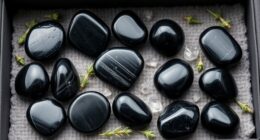
Natural materials offer texture without much expense. A few smooth stones, pinecones, fallen branches, or dried orange slices can turn a plain tray into an autumn display. Someone who enjoys crystals might add one stone as a personal reminder, while recognizing that claims about healing or protection are matters of belief rather than proven guarantees.
Be cautious with burning herbs or fragrant wood. The smoke can irritate lungs, and a scent that feels calming to you may feel overwhelming to a visitor. Ask before using fragrance in a shared home. A welcoming atmosphere should also be comfortable to breathe, so open a window when appropriate or choose unscented decor.
As an affiliate, we earn on qualifying purchases.
Borrow from cultural traditions with care and context
Respectful spiritual Halloween decorating starts with recognizing that cultural symbols belong to living traditions, not just to a seasonal aesthetic. Some households draw inspiration from Día de los Muertos, a holiday centered on remembering deceased loved ones, often through family altars and offerings. Its imagery and customs have meanings that are deeper than a generic “spooky” theme.
If you have a family connection to a tradition, ask relatives how they want it represented and follow their guidance. If you do not, learn from reliable sources and consider whether a particular item is appropriate for you to use. Avoid buying sacred or ceremonial objects as costume props, and do not copy a tradition’s ritual while presenting it as your own.
For example, a teacher planning an autumn classroom display might use student-made paper leaves and invite children to share family remembrance customs, rather than building a Día de los Muertos altar without community input. That choice still opens a thoughtful conversation, while avoiding the suggestion that one family’s practices represent everyone.
There is no need to flatten differences among Pagan, Wiccan, Christian, Indigenous, or other spiritual practices. They are not interchangeable styles. Curiosity works better than assumption: explain what a symbol means to you, credit the tradition when relevant, and choose a personal alternative when you are unsure.
Compare natural, handmade, and digital decor before you choose
Natural, handmade, and digital decorations can all support a reflective Halloween display, but they differ in cost, durability, and environmental impact. The best choice depends on what you already own, how much time you have, and whether you want a physical gathering place or a screen-based one. Start with your actual needs, rather than assuming that a spiritual display needs special purchases.
| Option | Good for | Example | Watch for |
|---|---|---|---|
| Natural materials | Low-cost seasonal texture | Fallen leaves, stones, pinecones | Check for pests, mold, or fire risk near flames |
| Handmade or reused decor | Personal meaning and less waste | A memory card on a repurposed frame | Allow time for making and drying |
| Digital display | Small homes or distant family | A shared photo slideshow or virtual gathering | Protect private images and consider screen fatigue |
A renter with little storage might put family photographs in a digital slideshow and set a single apple beside a small lamp. Another household may prefer a cardboard lantern they reuse each year. Both choices can feel meaningful; neither is automatically more spiritual.
For a lower-waste setup, reuse jars, fabric scraps, and decorations you already have. Compost untreated plant materials when suitable, and avoid collecting items from protected parks or private land. Simple and sustainable can still feel special: a branch in a reused bottle catches amber light beautifully on a dark windowsill.
Balance spooky style with a feeling of comfort
You can keep the cobwebs and shadowy colors while making a spiritual display feel warm rather than frightening. Choose a clear emotional direction, then use lighting, color, and placement to support it. A black cloth and paper bats can feel playful; adding a family photo and a soft lamp shifts the scene toward reflection and remembrance.
Try balancing one dramatic feature with two gentler ones. For instance, put a small skull-shaped ornament beside a golden LED candle and a handwritten message of gratitude. The skull may remind you of life’s limits, while the warm light and note keep the display from feeling harsh. Symbolism varies, so let your own interpretation lead.
Think of the mood as a room’s soundtrack: one low note creates atmosphere, but a steady drumbeat of ominous imagery can overwhelm the space. If children or guests feel uneasy, move intense objects to a private room or explain what they mean to you. You can also use orange, cream, copper, and deep green instead of making every surface black.
Before guests arrive, look at the display from the doorway. Is there a clear place to set a coat? Can anyone with a mobility aid pass comfortably? Good spiritual decor welcomes real people, not just the mood you hoped to create.
Frequently Asked Questions
What are meaningful symbols to use for spiritual Halloween decorations?
Choose symbols that have a meaning you understand, such as a family photograph, a candle or LED light, a seasonal fruit, or a personal keepsake. Crystals, skulls, and religious icons carry different meanings across beliefs and cultures, so research their context rather than assuming one universal meaning.
How do I make a Halloween remembrance altar?
Set a stable surface with a photograph or note, one or two objects connected to the person, and a simple seasonal detail such as a leaf or apple. Add a safe light if you like, then use the space for a story, prayer, or quiet pause that suits your beliefs.
Can I use spiritual decorations if I do not follow a religion?
Yes. You can make a display around personal memory, gratitude, the changing season, or a loved one’s favorite things without claiming a religious practice. Be clear about what the objects mean to you, and treat symbols from specific traditions with care.
How can I use cultural symbols respectfully?
Learn the symbol’s context from reliable sources and, when possible, listen to people from the tradition. Avoid using sacred objects as costume props or presenting another community’s customs as your own. If you are unsure whether a symbol is appropriate, choose a personal or seasonal alternative.
What are eco-friendly spiritual Halloween decoration ideas?
Reuse jars, fabric scraps, cardboard, and decorations you already own; add fallen leaves, pinecones, or branches gathered where collecting is allowed. A reused frame with a handwritten memory note can feel more personal than a new plastic decoration. Keep dried plants away from open flames and compost untreated natural materials when appropriate.
Conclusion
Make your Halloween display meaningful by choosing a clear intention, a few objects you understand, and a setup that feels safe and welcoming. You might use a photograph, a leaf, and a warm LED candle; you might simply set out a pumpkin and pause to remember someone you love.
Your decorations do not need to prove anything. Let them be a small, thoughtful light in the darkening season—one that reflects your beliefs and leaves room for other people’s.
Halloween Picks
halloween
As an affiliate, we earn on qualifying purchases.