TL;DR
Open a free Amazon Business account
Business pricing, bulk buying and tax-exempt orders.
Create a free accountAs an affiliate, we earn on qualifying purchases.
A documentary called ‘Plastic Shaman’ examines the cultural and spiritual costs of non-Native appropriation of Native spiritual practices in the U.S. The film raises awareness about the ongoing harm and misrepresentation, with interest spiking amid broader debates on cultural respect.
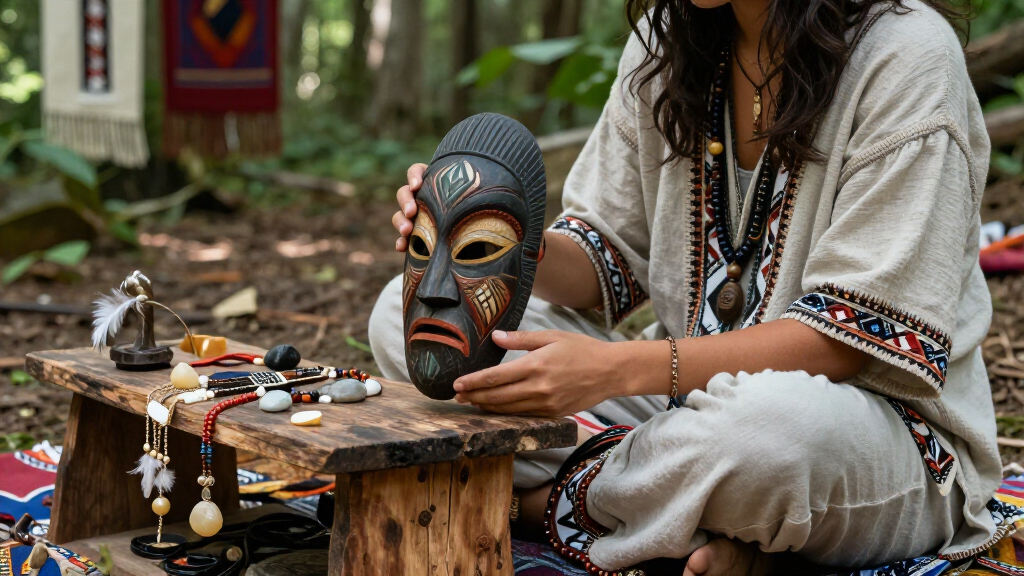
A new documentary titled ‘Plastic Shaman’ is drawing attention for its examination of the deadly and cultural costs associated with the appropriation of Native spirituality in the United States. The film highlights how non-Native individuals adopting Indigenous symbols and practices can cause harm to Native communities and their environments, sparking renewed debate across social and cultural spheres.
The documentary, produced by independent filmmakers, investigates how the commodification and misrepresentation of Native spiritual practices—such as smudging, sacred ceremonies, and ceremonial attire—are often performed by non-Natives for entertainment or profit. It features interviews with Native leaders, spiritual practitioners, and environmental activists who describe the ongoing damage caused by cultural misappropriation.
According to the filmmakers, the rise in popularity of certain Native-inspired rituals, often sold as ‘spiritual’ commodities, has led to environmental degradation, including the destruction of sacred sites and the pollution of natural resources. The film also explores the psychological and cultural impacts on Native communities, who report feeling disrespected, misunderstood, and exploited.
While the film emphasizes the importance of respecting Indigenous sovereignty and spiritual traditions, it also critiques the broader societal tendency to commodify and distort Native cultures without consent or understanding. The documentary’s release has coincided with increased media coverage and social media discussions about cultural appropriation and its consequences.
Cultural and Environmental Impacts of Appropriation
The documentary ‘Plastic Shaman’ underscores the significant cultural harm and environmental damage caused by the non-Native adoption of sacred practices. It highlights how such appropriation perpetuates stereotypes, erodes Indigenous sovereignty, and often results in tangible environmental destruction, such as desecration of sacred sites and pollution of natural resources.
This issue resonates beyond cultural circles, impacting policy discussions and environmental conservation efforts. The film’s attention to these interconnected harms may influence public opinion and potentially lead to stronger protections for Native lands and practices.
As an affiliate, we earn on qualifying purchases.
Rise of Cultural Appropriation in Native Spirituality
Interest in Native spiritual practices among non-Indigenous audiences has grown in recent years, driven by the popularity of social media, wellness trends, and the commercialization of Indigenous symbols. This trend has led to widespread misappropriation, with many individuals engaging in rituals without understanding their significance or respecting cultural protocols.
Historically, Native communities have faced systemic marginalization and suppression of their spiritual practices. The recent surge in interest, often packaged as ‘spirituality’ or ‘self-help,’ has been criticized for trivializing and commodifying sacred traditions. The documentary’s emergence occurs amid ongoing debates about cultural respect and intellectual property rights for Indigenous peoples.
While some Native leaders have called for greater cultural education and respectful engagement, others argue that the commercialization of Native symbols exacerbates existing social and environmental injustices. The film aims to shed light on these issues, emphasizing the need for respectful acknowledgment and preservation of Indigenous spirituality.
As an affiliate, we earn on qualifying purchases.
Unconfirmed Aspects of Cultural Impact and Response
It is still unclear how widely the documentary’s findings will influence policy or lead to concrete actions against cultural appropriation. While the film has sparked social media debates, official responses from Native organizations or policymakers have not yet been publicly confirmed.
Additionally, the extent of environmental damage directly attributable to non-Native spiritual practices remains under investigation, with some experts calling for more comprehensive studies.
As an affiliate, we earn on qualifying purchases.
Potential Policy Changes and Public Awareness Campaigns
In the coming months, the documentary’s release is expected to fuel further discussions about protecting Native lands and cultural practices. Native advocacy groups may push for stricter regulations on the commercial use of sacred symbols and sites. Social media campaigns and educational initiatives could also increase awareness about respectful engagement with Indigenous cultures.
Meanwhile, filmmakers and Native leaders are planning panel discussions and community outreach to deepen understanding and promote cultural respect. The impact of these efforts will become clearer over the next year.
indigenous sacred site protection poster
As an affiliate, we earn on qualifying purchases.
As an affiliate, we earn on qualifying purchases.
Key Questions
What specific practices are being misappropriated?
Practices such as smudging, sacred dances, ceremonial attire, and the use of Native symbols in fashion or art are commonly misappropriated by non-Natives for commercial or entertainment purposes.
How does cultural appropriation harm Native communities?
It disrespects sacred traditions, erodes cultural sovereignty, and can lead to environmental damage at sacred sites. It also perpetuates stereotypes and marginalizes Indigenous voices.
What role does environmental damage play in this issue?
Destruction of sacred sites, pollution, and resource depletion often result from the commodification of Native spiritual practices, impacting ecosystems and Indigenous lands.
Are there legal protections against cultural appropriation?
Legal protections are limited; efforts are mainly focused on cultural education, advocacy, and policy proposals to restrict commercial misuse of Indigenous symbols and sites.
How can non-Natives engage respectfully with Native spirituality?
By seeking education from Native sources, respecting cultural protocols, and supporting Indigenous-led initiatives and organizations.
Source: rss
Flea & tick season Picks
flea and tick prevention
As an affiliate, we earn on qualifying purchases.