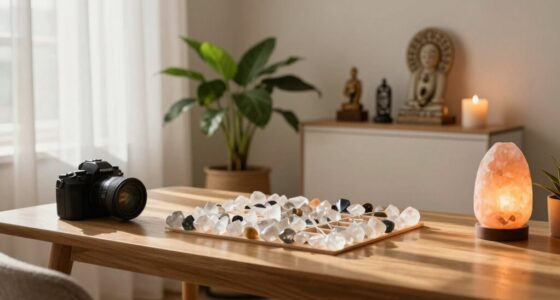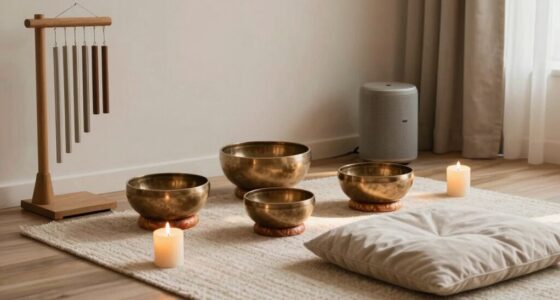

You don’t need a perfect posture, a tranquil setting, or a specific appearance to meditate effectively. Meditation is about cultivating awareness and presence, not looking a certain way. Mind wandering and distractions are normal, so don’t judge yourself or try to eliminate every thought. You can practice anytime, anywhere, even in noisy or busy environments. Let go of the myths, and discover how flexible and accessible meditation truly is—you’ll find plenty more to explore if you keep going.

Turn your quiet moments into listening time
- Thousands of audiobooks, podcasts and originals
- Listen on your phone, tablet or Echo — also offline
- Cancel anytime
Key Takeaways
- Meditation is natural and flexible, not requiring a specific posture or serene setting to be effective.
- Mind wandering is normal; meditation is about observation, not perfect concentration.
- It can be practiced anywhere—no need for a special environment or time.
- Focus on consistency and self-compassion rather than achieving a “perfect” practice.
- Letting go of myths makes meditation more accessible, enjoyable, and sustainable.

Have you ever felt that meditation must look a certain way to be effective? Many people believe that to truly meditate, you need to sit perfectly still, with your legs crossed and your eyes closed, in a serene setting. This idea is a common mindfulness misconception, fueled by media portrayals and societal expectations. But the truth is, meditation isn’t about achieving some flawless posture or reaching a specific mental state. It’s about presence and awareness, and those can be cultivated in countless ways. Falling into the trap of meditation myths can make you think you’re doing it wrong if your mind wanders, or if you find it hard to sit still for long periods. The reality is, your mind wandering is a natural part of meditation, and it’s perfectly okay to acknowledge that instead of judging yourself.
Many believe that if they can’t quiet their thoughts completely, they’re not meditating correctly. This is another meditation myth that keeps people from practicing regularly. Meditation isn’t about forcing your mind to be blank; it’s about observing your thoughts without attachment or judgment. You might notice your mind jumping from one thought to another, and that’s normal. The goal isn’t to eliminate all distractions but to develop a gentle awareness of them. When you accept that your mind will wander, you free yourself from unnecessary frustration, making the practice more sustainable and enjoyable. Additionally, understanding the role of concentration and focus can help deepen your practice and foster patience as you learn to observe your mental patterns without judgment.
Mind wandering is normal; observe thoughts with kindness, not judgment, to make meditation more enjoyable and sustainable.
People also assume that meditation requires a specific environment — a quiet, clutter-free space, preferably at sunrise. While a peaceful setting can help, it’s not a requirement. You can meditate anywhere—during a lunch break, in a noisy office, or even while commuting. Meditation adapts to your life, not the other way around. The idea that meditation must look a certain way often stems from mindfulness misconceptions and societal myths about what “proper” practice entails. The truth is, the most effective meditation is the one you actually do, regardless of location or posture.
Ultimately, meditation isn’t about perfection. It’s about consistency, curiosity, and self-compassion. The moment you stop striving for a “perfect” practice, you open yourself up to genuine growth. You don’t need special tools, a perfect environment, or a particular body position. Just bring your attention to the present moment, however that looks for you. When you let go of the myths and misconceptions, meditation becomes a flexible, accessible tool that fits seamlessly into your life.
As an affiliate, we earn on qualifying purchases.
Frequently Asked Questions
Can I Meditate While Lying Down or Walking?
Yes, you can meditate while lying down or walking. Lying down meditation helps you relax deeply, especially if you struggle with sitting still. Walking meditation allows you to focus on your steps and breath, making it easier to stay present. Both methods are effective and flexible, so you can choose whichever feels comfortable and fits your schedule. Remember, meditation is about mindfulness, not perfection in posture.
Do I Need Special Equipment or Clothing?
You don’t need any special equipment or clothing to meditate. Most people find that comfortable, loose clothing works best, and meditation accessories like cushions or mats can enhance your experience. Specialized attire isn’t necessary; just wear what feels relaxing. The key is to create a peaceful environment and focus inward, not on your outfit. Meditation is flexible, so skip the gear and simply start wherever you are.
How Long Should Each Meditation Session Last?
You can start with just five minutes of meditation, gradually increasing as you feel comfortable. Imagine yourself in a peaceful garden, breathing in calm and exhaling stress. Use simple meditation techniques and breathing exercises to anchor your focus. Whether it’s five or twenty minutes, consistency matters more than duration. Short sessions help build a habit, and over time, you’ll find meditation fitting seamlessly into your daily routine.
Is It Okay to Get Distracted During Meditation?
Yes, it’s okay to get distracted during meditation. Instead of stressing, focus on distraction management by gently shifting your attention back to your breath or chosen point of focus. Understand the difference between mindfulness versus concentration; mindfulness involves observing distractions without judgment, while concentration emphasizes maintaining focus. Remember, experiencing distractions is natural, and with practice, you’ll improve your ability to stay present without frustration.
Can Children or Seniors Meditate Effectively?
Yes, children and seniors can meditate effectively using child-focused techniques and senior-friendly practices. For kids, simple breathing exercises or guided imagery work well, keeping them engaged and relaxed. Seniors benefit from gentle seated meditation or mindfulness practices tailored to their mobility and comfort levels. You should adapt techniques to suit their needs, ensuring a calming experience that promotes mental clarity and emotional well-being without pressure or complexity.
noise-canceling headphones for meditation
As an affiliate, we earn on qualifying purchases.
As an affiliate, we earn on qualifying purchases.
Conclusion
Remember, meditation isn’t about getting it perfect—it’s about showing up for yourself. Over 80% of beginners feel discouraged when their practice isn’t “right,” but that’s completely normal. Embrace the imperfections, knowing each moment you sit quietly is a step forward. When you let go of perfection, meditation becomes a freeing, personal journey rather than a chore. So, keep going—your mind will thank you for it, one imperfect breath at a time.
As an affiliate, we earn on qualifying purchases.
As an affiliate, we earn on qualifying purchases.
Fall Picks
fall essentials
As an affiliate, we earn on qualifying purchases.