
Choosing the right studio microphone for podcasting healers involves balancing sound quality, ease of use, and affordability. The Shure SM7B stands out as the overall top pick thanks to its professional-grade sound and durability, making it ideal for healers who want clarity and warmth. The RØDE NT1 offers pristine sound quality for those prioritizing studio-grade recordings, while the Blue Yeti provides a user-friendly experience for beginners or those recording on the go. These options highlight the key tradeoffs: professional quality versus ease of setup, and budget versus sound fidelity. Continue reading for a detailed breakdown of each microphone to find your perfect fit.

Turn your quiet moments into listening time
- Thousands of audiobooks, podcasts and originals
- Listen on your phone, tablet or Echo — also offline
- Cancel anytime
Complete the kit


Key Takeaways
- The top picks balance professional sound quality with user-friendliness, catering to both experienced healers and newcomers.
- Dynamic microphones like the Shure SM7B are better suited for untreated rooms, while condenser mics excel in controlled environments.
- USB mics offer convenience but often lack the depth and warmth of XLR options, which are more versatile but require additional gear.
- Price ranges vary widely; investing in a higher-quality mic can significantly improve your podcast’s perceived professionalism.
- Additional features like built-in pop filters, gain control, and monitoring options can simplify recording sessions and improve sound clarity.
| MAONO A04 Gen2 XLR/USB Condenser Microphone Kit for PC Podcast Recording |  | Best Overall for Versatile Content Creators | Connectivity: XLR and USB | Sampling Rate: 192kHz/24bit | Frequency Response: 30Hz-16kHz | VIEW ON AMAZON | See Our Full Breakdown |
| Audio-Technica AT2020 Cardioid Condenser Studio XLR Microphone |  | Best for Studio Enthusiasts Focused on Sound Quality | Polar Pattern: Cardioid | Output Connector: 3 pin XLRM | Application: Studio, Home Studio | VIEW ON AMAZON | See Our Full Breakdown |
| Shure SM7B Dynamic Vocal Microphone for Podcasting & Streaming |  | Best for Vocal Clarity and Professional Broadcast Sound | Type: Dynamic | Application: Vocal, Podcasting, Streaming, Studio Recording | Pickup Pattern: Cardioid | VIEW ON AMAZON | See Our Full Breakdown |
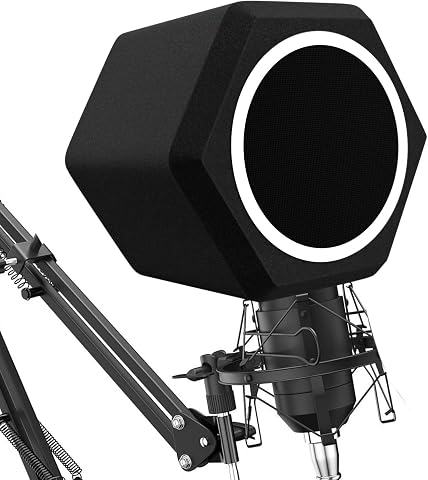
| Upgraded Studio Recording Microphone with Isolation Shield & Pop Filter for Podcasting and Music |  | Best for High-Quality USB Recording with Noise Isolation | Polar Pattern: Cardioid | Diaphragm Size: 16mm | Sampling Rate: 192kHz/24Bit | VIEW ON AMAZON | See Our Full Breakdown |
| Samson Q2U USB/XLR Dynamic Microphone Recording and Podcasting Pack |  | Best for Versatile Beginners and Mobile Use | Type: Dynamic | Connectivity: USB-C and XLR | Included accessories: Tripod stand, extension, mic clip, windscreen, USB-C and XLR cables | VIEW ON AMAZON | See Our Full Breakdown |
| RØDE NT1 Signature Series Studio Condenser Microphone, Black |  | Best Overall for High-Quality Vocal Recordings | Type: Condenser Microphone | Color: Black | Pattern: Cardioid | VIEW ON AMAZON | See Our Full Breakdown |
| RØDE PodMic Cardioid Dynamic Broadcast Microphone, XLR | 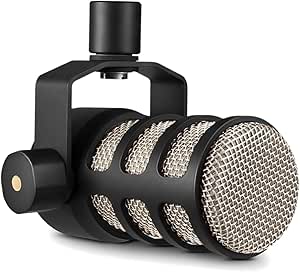 | Best for Durable Broadcast Sound | Connectivity Technology: XLR | Polar Pattern: Unidirectional | Impedance: 150 ohm | VIEW ON AMAZON | See Our Full Breakdown |
| Shure MV7+ USB-C & XLR Podcast Dynamic Microphone – Black |  | Best Versatile Microphone with Custom Controls | Color: Black | Connectivity: USB-C, XLR | Features: LED touch panel, auto level, reverb effects | VIEW ON AMAZON | See Our Full Breakdown |
| Logitech Blue Yeti USB Microphone for PC, Mac, Gaming, Recording, Streaming, Podcasting, Studio, and Computer – Blackout |  | Best for Versatile, Easy-to-Use USB Microphone | Pickup Patterns: Cardioid, Omni, Bidirectional, Stereo | Connectivity: USB | Controls: Headphone volume, pattern selection, mute, mic gain | VIEW ON AMAZON | See Our Full Breakdown |
| ZealSound Podcast Microphone for PC, Noise Cancellation USB Mic with Gain, Volume Adjustment & Mute Button, Monitoring & Echo, for YouTube, TikTok, Podcasting, Streaming, iPhone, iPad, Android, Mac |  | Best for Multi-Device, Noise-Reduced Clarity | Frequency Response: 40Hz–18kHz | Sampling Rate: 46kHz | Connectivity: USB-C, Lightning adapters | VIEW ON AMAZON | See Our Full Breakdown |
| studio microphones for podcasting healer | Connectivity | Frequency Response |
|---|---|---|
| MAONO A04 Gen2 XLR/USB Condens | XLR and USB | 30Hz-16kHz |
| Audio-Technica AT2020 Cardioid | — | Extended |
| Shure SM7B Dynamic Vocal Micro | XLR | Wide-range |
| Upgraded Studio Recording Micr | — | 30Hz‑16kHz |
| Samson Q2U USB/XLR Dynamic Mic | USB-C and XLR | — |
| RØDE NT1 Signature Series Stud | — | — |
| RØDE PodMic Cardioid Dynamic B | — | 20Hz ~ 20kHz |
| Shure MV7+ USB-C & XLR Podcast | USB-C, XLR | — |
| Logitech Blue Yeti USB Microph | USB | — |
| ZealSound Podcast Microphone f | USB-C, Lightning adapters | 40Hz–18kHz |
More Details on Our Top Picks
MAONO A04 Gen2 XLR/USB Condenser Microphone Kit for PC Podcast Recording
The MAONO A04 Gen2 stands out for its dual XLR and USB connectivity, offering flexibility that appeals to both beginner podcasters and more advanced content creators. Compared with the Shure SM7B, it provides a more accessible entry point with plug-and-play USB options, but it requires an external audio interface for XLR use, which adds complexity and cost. Its professional sound quality, combined with included accessories like a shock mount and pop filter, makes it a solid choice for those seeking a complete setup. However, the absence of an XLR cable and the need for phantom power when using XLR can be downsides for newcomers. Ideal for creators who want flexibility and a budget-conscious entry into professional-grade audio. It suits users who need a multi-platform mic without sacrificing sound quality but less so for those solely working with gaming consoles like Xbox, which it isn’t compatible with.
Pros:- Flexible dual XLR and USB connectivity for versatile use
- High-resolution audio with 192kHz/24bit sampling
- Includes comprehensive accessories for quick setup
- Adjustable controls for customized sound
Cons:- XLR cable not included, requiring an extra purchase
- Requires phantom power for XLR use, adding setup complexity
Best for: Content creators and podcasters who need both USB and XLR options without investing in multiple mics.
Not ideal for: Gamers or streamers focused exclusively on Xbox consoles, since this microphone isn’t compatible with those systems.
- Connectivity:XLR and USB
- Sampling Rate:192kHz/24bit
- Frequency Response:30Hz-16kHz
- Polar Pattern:Cardioid
- Capsule Size:16mm
- Included Accessories:Pop filter, foam windscreen, shock mount, adjustable arm stand, boom arm base, USB cable, user manual
- Compatibility:Laptop, PC, audio interface, audio mixer, PS4/PS5, mobile phones
- Note:XLR cable not included
Our verdict“This microphone is best suited for hybrid content creators who value flexibility and professional sound on a budget.”
Audio-Technica AT2020 Cardioid Condenser Studio XLR Microphone
The Audio-Technica AT2020 excels in capturing studio-quality sound with its extended frequency response and high SPL handling, making it ideal for serious podcasters and home studio users. Compared with the Shure SM7B, it offers a more straightforward, budget-friendly option that still delivers professional audio. Its cardioid pattern reduces ambient noise, but it’s less portable and requires an XLR connection, limiting flexibility for on-the-go recording. Designed primarily for studio use, it’s less suited for casual or mobile podcasters. Best for users who prioritize sound fidelity over portability and already own or plan to invest in an XLR setup. Those seeking a plug-and-play USB option or recording on the go should look elsewhere.
Pros:- High SPL handling for versatile recording environments
- Excellent transient response and extended frequency range
- Reduces ambient noise with cardioid pattern
- Durable construction suitable for long-term use
Cons:- Requires external XLR interface, adding cost and complexity
- Less portable due to XLR connection and studio focus
Best for: Dedicated studio podcasters or musicians with existing XLR gear seeking high-quality sound.
Not ideal for: Casual content creators or mobile podcasters who prefer USB or wireless solutions.
- Polar Pattern:Cardioid
- Output Connector:3 pin XLRM
- Application:Studio, Home Studio
- Diaphragm:Low mass, custom engineered
- Frequency Response:Extended
- Dynamic Range:Wide
Our verdict“This microphone is best for serious studio users who want top-tier sound quality and already have or plan to invest in a dedicated audio interface.”
Shure SM7B Dynamic Vocal Microphone for Podcasting & Streaming
The Shure SM7B is a staple in professional broadcasting, prized for its warm, balanced vocal reproduction and excellent noise rejection. It’s an especially strong choice for podcasters focused on vocal clarity, as compared to condenser microphones like the MAONO A04, which tend to pick up more room noise. Its all-metal construction and built-in pop filter stand up to rigorous use, but it demands a dedicated XLR audio interface, which can be a barrier for beginners. Its size and weight make it less ideal for portable setups, but for a fixed studio environment, it offers unmatched durability and sound quality. Best suited for seasoned podcasters and streamers who want a broadcast-quality mic and already have or plan to acquire an XLR interface.
Pros:- Warm, balanced sound profile ideal for vocals
- Effective noise isolation with built-in pop filter
- Durable, all-metal construction for longevity
- Widely used in professional broadcast environments
Cons:- Requires XLR connection and external interface
- Lacks USB compatibility, limiting immediate plug-and-play use
Best for: Experienced podcasters seeking a professional-grade microphone for studio use.
Not ideal for: Beginners or casual users who prefer simple USB plug-and-play microphones for minimal setup.
- Type:Dynamic
- Application:Vocal, Podcasting, Streaming, Studio Recording
- Pickup Pattern:Cardioid
- Frequency Response:Wide-range
- Connectivity:XLR
- Construction:All-metal
Our verdict“This microphone is perfect for professionals aiming for broadcast-quality voice recordings in a fixed studio setup.”
Upgraded Studio Recording Microphone with Isolation Shield & Pop Filter for Podcasting and Music
This USB condenser microphone makes a compelling choice for podcasters who want a complete, ready-to-record package. Its included isolation shield and pop filter help reduce room noise and plosive sounds, unlike simpler USB mics such as the Blue Yeti. The high sampling rate of 192kHz/24bit ensures crisp, professional audio, but the bulk of the setup—especially the foldable shield and multiple accessories—can be overkill for casual or mobile users. Its USB-only connection limits flexibility if you want to expand into XLR or professional gear later. Ideal for serious podcasters or singers who need noise isolation and a comprehensive setup. Less suitable for casual or compact use where simplicity is preferred.
Pros:- High-quality sound with 192kHz/24bit sampling
- Includes versatile accessories including an isolation shield
- Foldable design for adjustable noise reduction
- Plug-and-play USB connectivity
Cons:- Bulkier setup with multiple accessories
- Limited to USB connection, restricting future expansion
Best for: Podcasters and vocalists who prioritize sound quality and noise reduction with a studio-ready setup.
Not ideal for: Casual content creators or mobile users seeking lightweight, portable solutions.
- Polar Pattern:Cardioid
- Diaphragm Size:16mm
- Sampling Rate:192kHz/24Bit
- Frequency Response:30Hz‑16kHz
- Included Accessories:Isolation shield, pop filter, tripod stand, shockproof filter, adapters, headphones
- Weight:4.1 lbs
- Dimensions of Soundproof Shield:27.55in x 10.23in
- Microphone Dimensions:6.3in x 1.96in
Our verdict“This mic is best for dedicated podcasters and musicians who want professional features and noise isolation in a USB package.”
Samson Q2U USB/XLR Dynamic Microphone Recording and Podcasting Pack
The Samson Q2U offers a straightforward, all-in-one solution for newcomers and mobile podcasters, with both USB-C and XLR outputs. It’s a flexible pick compared to the Audio-Technica AT2020, which requires separate interfaces and is less portable. Its included accessories—tripod stand, cables, and windscreen—make setup quick and user-friendly, but it lacks advanced features like gain control or mute buttons, which could limit fine-tuning during recordings. Its dynamic capsule is less sensitive than condenser mics, making it less ideal for capturing nuanced vocal performances. This pack is well-suited for beginners or those recording on the go, but less so for high-end studio environments or detailed editing workflows.
Pros:- Dual USB-C and XLR connectivity for maximum flexibility
- Includes all essential accessories for immediate use
- Good for on-the-move recording and beginner setups
Cons:- Lacks advanced features like gain control or mute button
- Basic dynamic capsule may miss subtle details in vocals
Best for: Beginners and mobile content creators seeking a versatile, all-in-one microphone for casual recording and streaming.
Not ideal for: Professional studio users requiring detailed sound control and high-fidelity recordings.
- Type:Dynamic
- Connectivity:USB-C and XLR
- Included accessories:Tripod stand, extension, mic clip, windscreen, USB-C and XLR cables
Our verdict“This microphone pack is ideal for beginners and mobile podcasters who need a versatile, ready-to-go solution without complexity.”
RØDE NT1 Signature Series Studio Condenser Microphone, Black
The RØDE NT1 Signature stands out for its exceptionally low self-noise, making it ideal for capturing nuanced speech and vocals in a professional setting. Compared with the Blue Yeti, it offers a more refined, studio-grade sound but requires phantom power and a dedicated audio interface, which adds complexity and cost. Its complete package, including a shock mount, pop filter, and dust cover, ensures a ready-to-use setup that minimizes background noise and handling issues. This microphone is best suited for healers who prioritize crystal-clear voice recordings for podcasts or streaming, especially in quiet environments. However, its higher price point and need for phantom power make it less appealing for casual or mobile use.
Pros:- Low self-noise for pristine, professional recordings
- Complete setup with shock mount and pop filter included
- Excellent for vocals and streaming with detailed sound clarity
Cons:- Requires phantom power, adding setup complexity
- More expensive than entry-level microphones
Best for: Healings professionals who record in controlled environments and want studio-quality vocals.
Not ideal for: Healers on a tight budget or those needing a portable, USB-only solution for on-the-go recordings.
- Type:Condenser Microphone
- Color:Black
- Pattern:Cardioid
- Included Accessories:Shock mount, pop filter, XLR cable, dust cover
Our verdict“This mic is perfect for healers seeking studio-grade voice clarity in a dedicated recording space.”
RØDE PodMic Cardioid Dynamic Broadcast Microphone, XLR
The RØDE PodMic is tailored for broadcast-quality speech with its robust metal construction and internal pop filter, providing durability and clarity ideal for frequent use. Unlike the Blue Yeti, which offers multiple pickup patterns and USB connectivity, the PodMic is a unidirectional dynamic mic that excels at rejecting room noise, making it suitable for less controlled environments. Its internal shock mounting reduces vibrations, but it necessitates an external audio interface, adding to the setup complexity. This mic is best for healers who want a durable, professional XLR microphone that minimizes background noise and emphasizes voice clarity. Its weight and XLR-only connectivity make it less suitable for mobile or casual streamers.
Pros:- Durable all-metal body for long-term use
- Internal pop filter and shock mount reduce noise and vibrations
- Excellent rejection of ambient room noise
Cons:- Requires external audio interface or mixer
- Heavier than some desktop microphones
Best for: Healers who record in dedicated studios or semi-controlled environments with access to an audio interface.
Not ideal for: Healers seeking a simple plug-and-play USB microphone or mobile content creators.
- Connectivity Technology:XLR
- Polar Pattern:Unidirectional
- Impedance:150 ohm
- Frequency Response:20Hz ~ 20kHz
Our verdict“Ideal for healers who prioritize durability and noise rejection with a professional XLR setup.”
Shure MV7+ USB-C & XLR Podcast Dynamic Microphone – Black
The Shure MV7+ offers remarkable flexibility with both USB-C and XLR outputs, making it suitable for healers who want a versatile mic for both professional studio setups and quick, on-the-fly recordings. Unlike the Blue Yeti, which is purely USB and often bulkier, the MV7+ includes a customizable LED touch panel, auto-level adjustment, and real-time denoising, providing more control over audio quality. Its built-in reverb effects add creative options, but the complexity of managing its settings might overwhelm beginners. This microphone is best for healers who want a flexible, feature-rich device capable of adapting to different recording environments. Its higher price and feature set may be unnecessary for those only recording in simple setups.
Pros:- Dual USB-C and XLR connectivity for maximum flexibility
- Customizable LED controls and reverb effects for creative sound shaping
- Auto level and real-time denoising improve clarity
Cons:- Complex interface may challenge beginners
- Higher cost compared to basic USB mics
Best for: Healers who record in various settings, from professional studios to mobile environments, and want advanced controls.
Not ideal for: Beginners seeking a straightforward, plug-and-play solution without learning complex features.
- Color:Black
- Connectivity:USB-C, XLR
- Features:LED touch panel, auto level, reverb effects
Our verdict“Perfect for healers needing a flexible, feature-packed microphone that adapts across different recording scenarios.”
Logitech Blue Yeti USB Microphone for PC, Mac, Gaming, Recording, Streaming, Podcasting, Studio, and Computer – Blackout
The Blue Yeti is a popular choice for its versatility, offering multiple pickup patterns—including cardioid, omni, bidirectional, and stereo—which allow healers to experiment with different recording styles. Unlike the RØDE NT1, which excels in studio environments, the Yeti’s plug-and-play USB connection and onboard controls make it ideal for those who want quick setup and immediate results. Its onboard Blue VO!CE effects can enhance voice presence, but some users find these features complex or unnecessary. The bulkier design also takes up more desk space, which could be a concern for mobile or compact setups. This mic suits healers who prioritize ease of use and flexibility, especially for streaming or casual podcasting. It’s less suited for those seeking studio-level sound fidelity or minimal desk clutter.
Pros:- Multiple pickup patterns for versatile recording styles
- Onboard controls for quick adjustments
- Blue VO!CE effects to enhance voice presence
Cons:- Bulkier design occupies more desk space
- Limited mobility due to USB dependency
- Effects can be overly complex or unnecessary for some users
Best for: Healers who want an all-in-one, easy-to-operate USB microphone for streaming, casual recording, or beginner podcasts.
Not ideal for: Healers needing a professional XLR setup or high-end studio quality for detailed voice recordings.
- Pickup Patterns:Cardioid, Omni, Bidirectional, Stereo
- Connectivity:USB
- Controls:Headphone volume, pattern selection, mute, mic gain
- Software:Blue VO!CE
Our verdict“Excellent for healers seeking a user-friendly, multi-purpose mic that’s ready to use straight out of the box.”
The ZealSound K66 offers studio-quality sound with advanced noise reduction features, making it a strong choice for healers who record across varied environments. Unlike the Blue Yeti, which is more suited for static setups, the ZealSound integrates noise cancellation modes, real-time monitoring, and echo controls, providing clarity even in less controlled spaces. Its wide compatibility with mobile devices, tablets, and PCs makes it highly versatile, though some features may require a learning curve for newcomers. Its build quality isn’t specified, which might raise questions about durability over time. This mic is best for healers who need flexible, clear audio across multiple platforms and environments, especially when background noise is a concern. Its complex features may be overkill for simple home recordings.
Pros:- Studio-like sound with effective noise cancellation
- Wide device compatibility including mobile and gaming platforms
- Real-time monitoring and echo control for natural sound
Cons:- Features may present a learning curve for new users
- Durability not specified, potential longevity concerns
Best for: Healers who stream or record in various locations and want noise reduction and monitoring features for natural sound.
Not ideal for: Beginners who prefer a simple plug-and-play experience without navigating complex settings.
- Frequency Response:40Hz–18kHz
- Sampling Rate:46kHz
- Connectivity:USB-C, Lightning adapters
- Features:Noise reduction, monitoring, echo control
Our verdict“Ideal for healers who need flexible, noise-reduced audio across multiple devices and environments.”

How We Picked
The microphones in this roundup were selected based on their ability to deliver clear, warm vocal recordings suitable for podcasting healers. We evaluated each product on sound quality, ease of use, build durability, and overall value. Special attention was given to microphones that perform well in home or studio settings, especially for those who may record in untreated spaces. The ranking reflects a balance between professional-grade features and accessibility for different experience levels, ensuring options for beginners and seasoned practitioners alike.| studio microphones for podcasting healer | Connectivity |
|---|---|
| MAONO A04 Gen2 XLR/USB Condens | XLR and USB |
| Audio-Technica AT2020 Cardioid | — |
| Shure SM7B Dynamic Vocal Micro | XLR |
| Upgraded Studio Recording Micr | — |
| Samson Q2U USB/XLR Dynamic Mic | USB-C and XLR |
| RØDE NT1 Signature Series Stud | — |
| RØDE PodMic Cardioid Dynamic B | — |
| Shure MV7+ USB-C & XLR Podcast | USB-C, XLR |
| Logitech Blue Yeti USB Microph | USB |
| ZealSound Podcast Microphone f | USB-C, Lightning adapters |
Factors to Consider When Choosing Studio Microphones For Podcasting Healers
When choosing a studio microphone for podcasting healers, it’s important to consider several factors that directly impact your recording quality and workflow. The right mic can transform your sound, making your voice more calming and compelling. Understanding these key considerations helps prevent common pitfalls like choosing a microphone that’s incompatible with your setup or one that doesn’t suit your recording environment.Type of Microphone: Dynamic vs. Condenser
Dynamic microphones like the Shure SM7B excel in untreated spaces because they reject ambient noise and focus on your voice. Condenser mics, such as the RØDE NT1, offer more sensitivity and detail, producing richer sound but require a quieter environment. Choosing between the two depends on your recording space and desired sound profile. For healers recording in a dedicated studio, a condenser might be ideal, but for home offices or shared spaces, a dynamic mic can be more forgiving.
Connectivity: USB vs. XLR
USB microphones are plug-and-play, making them perfect for those just starting out or who want minimal setup. They’re convenient but often lack the depth and flexibility of XLR mics, which require an audio interface. XLR options like the Audio-Technica AT2020 or Shure SM7B provide higher sound fidelity and expandability, suitable for those aiming for professional sound. Your choice here influences not only sound quality but also future upgrade paths and setup complexity.
Sound Quality and Frequency Response
For podcasting healers, capturing a warm, natural voice is essential. Microphones with a smooth frequency response tend to produce more pleasing vocals. Condenser mics generally excel in this area, but some dynamic mics also deliver surprisingly rich tones. Consider listening to sample recordings if possible, and prioritize microphones that emphasize clarity and warmth over harshness or overly bright sound, which can be fatiguing for listeners over time.
Additional Features and Accessories
Features like built-in pop filters, adjustable gain, and monitoring outputs can streamline your recording process and improve audio quality. For healers, a microphone with ease of use and minimal setup is valuable, especially if you record sessions frequently. Investing in accessories like shock mounts and acoustic treatments can further enhance sound quality by reducing vibrations and room reflections, but weigh these costs against your recording environment and budget.
Budget and Long-Term Value
While budget options like the Logitech Blue Yeti offer decent sound and convenience, investing in a higher-quality microphone such as the Shure SM7B or RØDE NT1 can elevate your podcast’s professionalism. Consider your long-term goals: if you plan to grow your practice or expand your content quality, it’s worth spending more upfront. Conversely, if you’re just starting or recording in a quiet space, a more affordable model can suffice, provided it meets your needs.
Frequently Asked Questions
Can I use a USB microphone for professional healing podcasts?
Yes, USB microphones like the Blue Yeti or the RØDE NT-USB are capable of producing high-quality recordings suitable for professional use, especially in controlled environments. They are ideal for healers who want simplicity and quick setup without additional equipment. However, for the highest fidelity and future scalability, an XLR setup might be preferable if you’re willing to invest in an audio interface and other gear.
Is a dynamic microphone better for untreated rooms?
Indeed, dynamic microphones such as the Shure SM7B are designed to reject background noise and room reflections, making them a strong choice for spaces that are not acoustically treated. They focus on your voice, providing clear sound even in noisy environments. Condenser microphones, while offering richer detail, tend to pick up more ambient sounds, so they’re better suited for dedicated studios with soundproofing.
How important is it to have a microphone with a built-in pop filter?
A built-in pop filter or the ability to attach one is quite helpful for reducing plosive sounds and sibilance, which can make your recordings clearer and more pleasant. For healers who record spoken content regularly, this feature minimizes editing time and enhances overall sound quality. If your microphone doesn’t include one, investing in an external pop filter is a worthwhile addition.
Should I prioritize a microphone with more gain or higher sensitivity?
Higher gain and sensitivity allow your microphone to pick up quieter sounds and provide more headroom, which is beneficial for nuanced vocal recordings. However, excessive gain can also introduce noise, so it’s important to choose a model that balances sensitivity with noise rejection. This is especially relevant if you record in environments with varying background noise or multiple speakers.
Are XLR microphones worth the extra effort and cost for a beginner healer?
While XLR microphones like the Audio-Technica AT2020 or Shure SM7B tend to deliver superior sound quality and flexibility, they require additional equipment such as an audio interface and possibly a mixer. For beginners or those recording in simple setups, a high-quality USB microphone might be more practical and cost-effective. However, if you’re committed to professional-grade sound and plan to expand your setup, investing in XLR gear can be a valuable long-term decision.