
TL;DR

Turn your quiet moments into listening time
- Thousands of audiobooks, podcasts and originals
- Listen on your phone, tablet or Echo — also offline
- Cancel anytime
Tarot cards, originally created as a card game in the 15th century, have evolved into a popular tool for divination and spiritual guidance. This article traces their artistic and cultural history, emphasizing confirmed facts and current debates.
Tarot cards, once used as a popular card game in Renaissance Europe, have increasingly become associated with divination and spiritual practices over the centuries. This transformation, grounded in artistic and cultural shifts, highlights their enduring influence and evolving purpose.
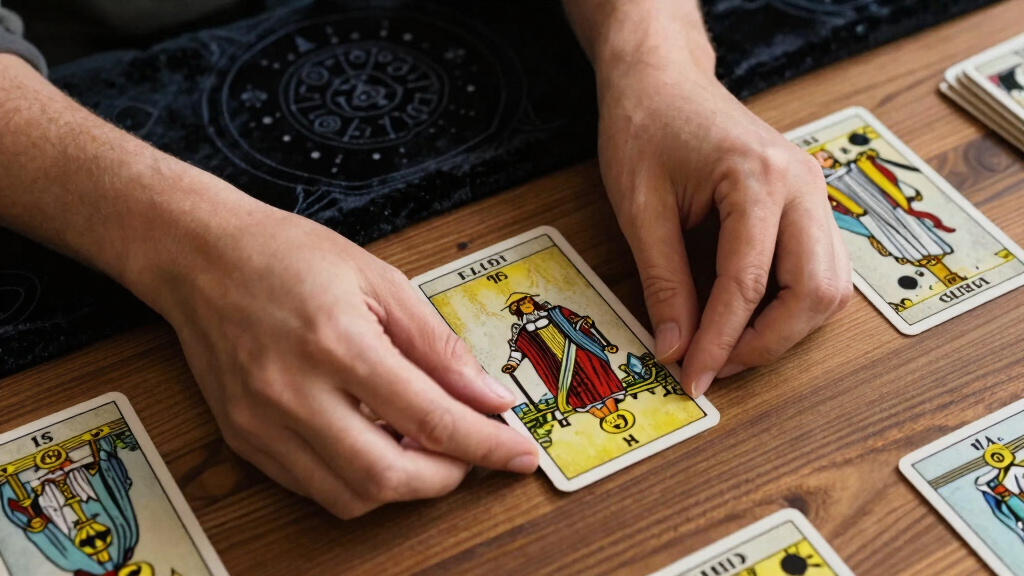
Historically, tarot cards originated in the mid-15th century in Italy as a game called ‘tarocchi.’ These early decks featured elaborate artwork, often commissioned by aristocratic patrons, reflecting the artistic styles of the period. It was only in the 18th century that tarot began to be linked with mysticism and occult practices, particularly in France and Britain, where they were used for fortune-telling and spiritual insight. Modern tarot decks, such as the Rider-Waite-Smith, developed in the early 20th century, combined artistic symbolism with esoteric themes, cementing their role in divination. Scholars and artists agree that while tarot’s origins are rooted in gaming, its current use as a spiritual tool is a product of cultural adaptation and artistic reinterpretation, not a singular event or invention.Recent exhibitions and scholarly works have highlighted the artistic evolution of tarot, emphasizing how deck designs reflect changing cultural attitudes towards spirituality, mysticism, and art. The debate around whether tarot’s spiritual use is rooted in its original purpose continues among historians and practitioners, with some claiming it has always held mystical significance, while others see its divinatory role as a modern development.
Cultural and Artistic Impact of Tarot’s Transformation
The evolution of tarot from a game to a tool of divination underscores broader cultural shifts in spirituality, art, and popular belief systems. Its artistic designs have influenced visual culture, inspiring artists and spiritual communities worldwide. Understanding this history helps clarify how cultural artifacts can adapt and acquire new meanings over time, reflecting societal values and beliefs.
As an affiliate, we earn on qualifying purchases.
Historical Roots and Artistic Developments of Tarot
Tarot cards emerged in 15th-century Italy as a leisure activity among aristocrats, featuring intricate artwork and symbolic imagery. Their association with mysticism gained prominence in the 18th century, notably through French occultists like Antoine Court de Gébelin, who claimed the cards held secret esoteric knowledge. The early 20th century saw the publication of influential decks such as Rider-Waite-Smith, which combined artistic symbolism with spiritual themes. Throughout the 20th and 21st centuries, tarot has expanded globally, blending artistic innovation with spiritual practices, though debates about its origins and purpose persist among scholars and practitioners.
“Tarot’s journey from a game to a spiritual tool is a reflection of cultural shifts that reimagined its artistic symbols for mystical purposes.”
— Dr. Lisa Miller, historian of occult arts
As an affiliate, we earn on qualifying purchases.
Debates Over Tarot’s True Origins and Purpose
While the historical origins of tarot as a card game are well documented, the extent to which its mystical and divinatory aspects were present from the start remains debated. Some scholars argue that the spiritual significance was added centuries later, while others contend it was an integral part of its original design. Additionally, the influence of occultism on deck designs and symbolism continues to be a subject of scholarly investigation, with no definitive consensus.
As an affiliate, we earn on qualifying purchases.
Future Directions in Tarot Art and Cultural Perception
Researchers and artists are likely to continue exploring tarot’s artistic evolution, with upcoming exhibitions and scholarly publications examining how contemporary decks reflect current cultural and spiritual trends. Meanwhile, debates about its origins and significance are expected to persist, influencing both academic discourse and spiritual practices. The ongoing integration of tarot into popular culture suggests its role as both an artistic and spiritual symbol will continue to evolve.
As an affiliate, we earn on qualifying purchases.
Key Questions
When did tarot cards first appear?
Tarot cards first appeared in 15th-century Italy as a card game called ‘tarocchi.’
How did tarot become associated with divination?
The association began in the 18th century, when occultists and mystics in France and Britain started using tarot decks for spiritual insight and fortune-telling.
Are tarot decks artistically different today than in the past?
Yes, modern decks often feature highly artistic and symbolic designs, reflecting contemporary artistic trends and spiritual themes, building on historical imagery.
Is tarot’s spiritual use based on its original purpose?
This remains a subject of debate; some believe spiritual use was always part of tarot, while others see it as a later development.
What are the main controversies surrounding tarot’s history?
The primary debates concern whether its mystical significance predates its occult adoption and how much of its symbolism was intentional from the start.
Source: rss
Halloween Picks
halloween
As an affiliate, we earn on qualifying purchases.