

To stop replaying the same emotional story, start by recognizing and acknowledging your feelings without judgment. Practice mindfulness to stay present and observe your emotions objectively, creating a safe distance from overwhelming thoughts. Challenge and reframe the stories you tell yourself, reminding yourself they aren’t your entire identity. Consistently use techniques like deep breathing and self-awareness to build resilience and detach from old patterns. Keep exploring these strategies to gain greater emotional freedom and clarity.
Key Takeaways
- Practice mindfulness to stay present and observe emotions without judgment.
- Develop emotional detachment by viewing feelings as temporary and not defining your identity.
- Gently challenge and reframe the emotional stories to reduce their emotional hold.
- Set aside regular time for mindfulness exercises like breathing and body scans.
- Recognize and accept that past stories are part of experience, but don’t have to control your present.

Sometimes, it feels like you’re stuck in a loop, replaying the same emotional story over and over. You might find yourself caught in memories of past hurts, regrets, or mistakes, unable to break free from the cycle. The good news is, you can learn to interrupt this pattern by practicing mindfulness and developing emotional detachment. These tools help you step back from overwhelming feelings and see your story from a new perspective.
Breaking free from emotional loops through mindfulness and detachment offers new perspectives and healing.
A mindfulness practice encourages you to stay present in the moment. Instead of spiraling into past pain, you acknowledge your feelings without judgment. When you notice yourself replaying that emotional story, take a deep breath and focus on what’s happening right now. Feel the sensation of your breath entering and leaving your body. Observe your thoughts as if you’re a neutral witness, rather than getting caught up in them. Over time, this approach reduces the power of old stories, making it easier to detach emotionally from them.
Emotional detachment doesn’t mean you stop caring; it means you create a healthy distance from intense feelings so they don’t control you. It’s like observing a storm from a safe distance rather than being caught in the middle of it. When you’re able to detach emotionally, you see your story more objectively. You recognize that these feelings are transient and don’t define you. This mental shift opens space for new perspectives and healthier responses. Recognizing the temporary nature of emotions can be a powerful step toward emotional freedom. Developing this awareness can also help you better understand the mind-body connection and how your physical sensations influence your emotional state.
To deepen this process, remind yourself that your emotional story isn’t the whole picture. It’s a part of your experience, but not the totality of who you are. When you catch yourself replaying the same story, gently challenge its significance. Ask yourself if dwelling on it serves your growth or only prolongs pain. Often, you’ll realize that holding onto these stories keeps you stuck. By practicing mindfulness and cultivating emotional detachment, you gain control over your reactions, instead of letting past events dictate your present mood. Incorporating self-awareness techniques can further support your journey toward emotional resilience. Remember that understanding the childhood roots of these emotions can provide valuable insight and aid in healing.
Consistency is key. Set aside a few minutes each day for mindfulness exercises—focused breathing, body scans, or simple awareness practices. As you do, you’ll notice your ability to observe your emotional stories without becoming overwhelmed. Over time, this skill helps you break free from that endless replay, allowing you to move forward with clarity and peace. Remember, you’re not powerless against your stories; with patience and practice, you can rewrite the narrative of your emotional experiences. Incorporating natural healing techniques can also support emotional resilience and promote overall well-being.

Retrospec Sedona Zafu Meditation Cushion Filled w/Buckwheat Hulls – Yoga Pillow for Meditation Practices – Machine Washable 100% Cotton Cover & Durable Carry Handle, Crescent, Black
NATURAL COMFORT & SUPPORT: Filled with sustainable buckwheat hulls, this meditation cushion elevates your practice by aligning your…
As an affiliate, we earn on qualifying purchases.
As an affiliate, we earn on qualifying purchases.
Frequently Asked Questions
How Long Does It Typically Take to Break the Cycle?
Breaking the cycle varies for everyone, but with consistent effort, it can take anywhere from a few months to a year. Building emotional resilience and engaging in trauma processing helps speed up healing. You’ll notice progress as you learn to manage triggers and reframe your story. Remember, patience is key—each step forward strengthens your ability to break free from repetitive emotional patterns and create a healthier, more balanced outlook.
Can Therapy Help in Stopping Emotional Replay?
Sure, therapy can help you stop emotional replay, even if it feels like a lost cause. It benefits you by deepening your emotional awareness, helping you recognize patterns you might not see on your own. Ironically, confronting those repeated stories often feels uncomfortable, but therapy provides a safe space to break free. With consistent effort, you’ll learn to rewrite your emotional script, turning past pain into personal growth.
Are There Specific Signs I’M Stuck Rehashing My Story?
You might notice you’re stuck rehashing your story if you frequently experience emotional triggers that bring back intense feelings or memories. Signs of narrative repetition include ruminating over past events, feeling unable to move on, or feeling stuck in negative thought patterns. These patterns often serve as a cue that you’re revisiting the same emotional story, making it hard to break free. Recognizing these signs is the first step toward change.
How Do I Handle Setbacks During the Process?
When setbacks occur, recognize emotional triggers that might intensify your reactions. Use mindfulness techniques like deep breathing or grounding exercises to stay present and prevent spiraling into old stories. Remind yourself setbacks are part of growth, not failures. Stay compassionate with yourself, pause to assess your feelings, and refocus on your progress. This approach helps you manage setbacks constructively and keeps you aligned with your healing journey.
Is It Possible to Completely Forget Past Emotional Wounds?
You can’t completely forget past emotional wounds, and trying to do so is like chasing shadows. While memory suppression might temporarily hide painful memories, true emotional resilience involves confronting and healing them. Remember, time doesn’t erase wounds but helps you grow stronger. As the saying goes, “What doesn’t kill you makes you stronger,” so focus on healing rather than erasing, building resilience that helps you move forward.

Breathing Exercise Device for Lungs, Deep Breathing Trainer with Flow, Design for Gentle Breathing Training & Recovery Support, Easy to Clean
Simple 3‑Ball Design for Gentle Breathing Training: Breathing Exercise Device for Lungs
As an affiliate, we earn on qualifying purchases.
As an affiliate, we earn on qualifying purchases.
Conclusion
Breaking free from replaying the same emotional story isn’t just about changing your thoughts; it’s about understanding that your perception shapes your reality. Some theories suggest our stories become self-fulfilling, confirming our beliefs and feelings. Recognize this cycle, challenge its validity, and choose a new narrative. When you realize you’re the author, you can rewrite your story, creating space for healing and growth. Your past doesn’t have to define your future—it’s your story to change.

Emotional Detachment Journal: Stop Overthinking, Let Go of Attachment & Reclaim Your Peace in 30 Days
As an affiliate, we earn on qualifying purchases.
As an affiliate, we earn on qualifying purchases.
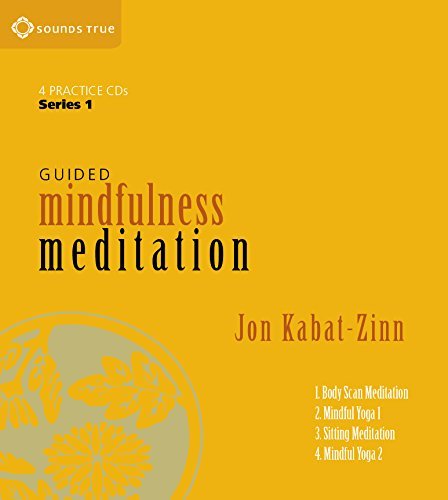
Guided Mindfulness Meditation Series 1
As an affiliate, we earn on qualifying purchases.
As an affiliate, we earn on qualifying purchases.