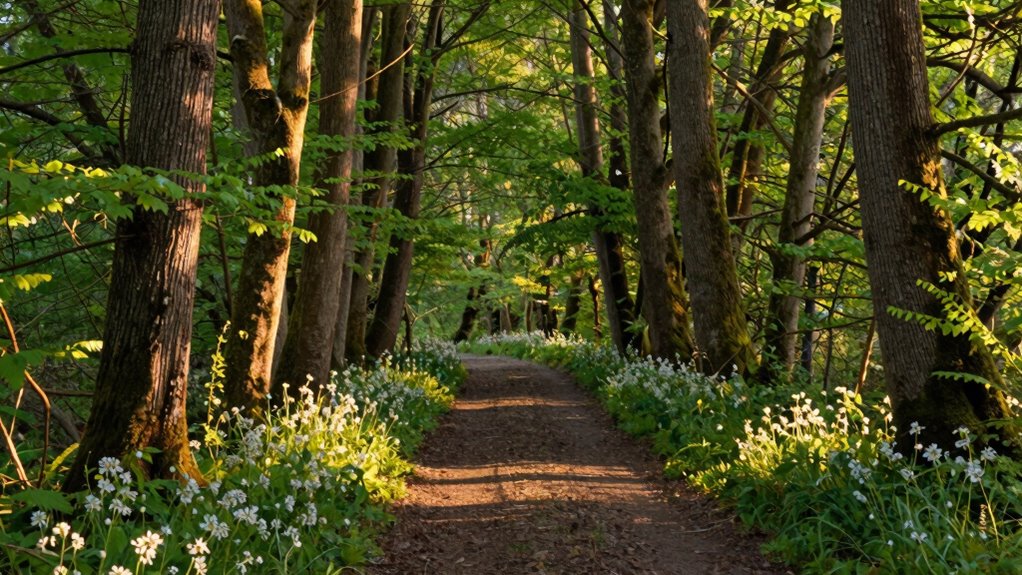

Slowing down lets you pause and tune into your feelings with greater awareness, helping you respond more thoughtfully instead of reacting impulsively. It creates space for mindfulness, grounding you in the present moment and strengthening emotional resilience. By appreciating subtle sensations and external surroundings, you can reduce stress and anxiety, regain balance, and foster personal growth. If you’d like to explore more ways slowing down can support your healing journey, keep exploring these insights.

Turn your quiet moments into listening time
- Thousands of audiobooks, podcasts and originals
- Listen on your phone, tablet or Echo — also offline
- Cancel anytime
Key Takeaways
- Slowing down creates space for mindfulness, allowing deeper awareness and curiosity about emotions and reactions.
- It reduces stress and anxiety by interrupting the cycle of constant busyness and promoting calming practices.
- Incorporating nature during pauses enhances relaxation and helps reconnect with external surroundings for emotional grounding.
- Attuning to internal sensations fosters resilience, emotional stability, and a balanced perspective.
- Patience and presence during slowing down support genuine healing and personal growth over time.

In a fast-paced world that constantly pushes you to do more and rush through life, slowing down might seem counterintuitive. But taking deliberate pauses isn’t about losing productivity; it’s about gaining clarity and emotional resilience. When you slow down, you create space to develop a mindfulness practice that anchors you to the present moment. This isn’t just a trendy phrase—it’s a powerful tool for emotional regulation. By intentionally decelerating your thoughts and actions, you allow yourself to notice subtle feelings and reactions that often get lost in the chaos. Instead of reacting impulsively, you learn to observe your emotions with curiosity and patience, which helps you respond more thoughtfully rather than habitually.
Slowing down helps you break free from the cycle of constant busyness that fuels stress and anxiety. When you rush, your mind becomes overwhelmed, and your emotional regulation skills weaken. But when you pause, breathe, and focus on the here and now, you facilitate a calming effect on your nervous system. This simple act of deceleration gives you the chance to understand what’s truly happening inside—whether it’s frustration, sadness, or excitement—and address these feelings with greater awareness. Over time, this practice can build resilience, making it easier to handle life’s setbacks without spiraling into overwhelm. Additionally, incorporating natural pools into your environment can enhance your ability to reconnect with nature and promote relaxation.
Moreover, slowing down allows you to reconnect with your body and your environment. You begin to notice the small details often missed in hurried days—like the sensation of your feet on the ground, the sound of birds, or the aroma of your morning coffee. These moments of mindfulness practice strengthen your emotional regulation, as they teach you to stay grounded amidst emotional storms. When you’re attuned to your internal states and external surroundings, you’re less likely to be tossed around by negative emotions or external stressors. Instead, you develop a steady, balanced perspective that fosters healing and personal growth. Incorporating mindfulness techniques can further deepen this connection and facilitate emotional stability. Recognizing that slowing down can also support emotional regulation highlights the importance of a deliberate pace for overall well-being.
In essence, choosing to slow down isn’t a rejection of progress; it’s an affirmation that true progress often requires patience and presence. By integrating mindfulness practice into your daily routine, you empower yourself to manage emotions more effectively. This deliberate pace allows you to process experiences more fully, leading to a calmer mind, a resilient heart, and a healthier outlook on life. Slowing down isn’t just about doing less—it’s about being more attuned to yourself and the world around you, paving the way for genuine healing. Recognizing the importance of content formats in this process can also enhance your understanding of how to incorporate these principles into your daily life.
As an affiliate, we earn on qualifying purchases.
Frequently Asked Questions
How Do I Start Practicing Slowing Down Daily?
To start practicing slowing down daily, set aside a few minutes for mindful breathing—inhale slowly through your nose, then exhale gently through your mouth. Focus on your sensory awareness, noticing sounds, smells, and textures around you. Pause throughout your day to take deep breaths, and intentionally slow your movements. These small steps help you cultivate mindfulness, reduce stress, and make slowing down a natural part of your routine.
Can Slowing Down Help With Mental Health Issues?
Yes, slowing down can considerably improve your mental health. By practicing mindfulness during everyday moments, you become more aware of your thoughts and emotions, which helps with emotional regulation. When you take time to pause and breathe, you reduce stress and anxiety. Incorporating these mindful pauses into your routine allows you to process feelings better, fostering resilience and a calmer mind, ultimately supporting your mental well-being.
What Are Quick Ways to Incorporate Slowing Down Into Busy Days?
To incorporate slowing down into busy days, start with mindful breathing—pause, take deep breaths, and focus on your inhale and exhale for a few moments. Gentle stretching during short breaks can also help you reconnect with your body and reduce stress. These quick practices make it easier to pause, regain clarity, and promote mental well-being, even amidst your hectic schedule.
Does Slowing Down Improve Productivity or Creativity?
Slowing down can considerably boost your productivity and creativity. Studies show that mindfulness practices enhance focus by 25%, allowing your mind to relax and generate fresh ideas. When you take time to pause, you give yourself space for creative renewal, leading to innovative solutions and better decision-making. By intentionally decelerating, you create a mental environment where your best work can flourish, making slow moments powerful tools for growth.
Are There Risks to Slowing Down Too Much?
Yes, slowing down too much can pose risks, especially if it leads to imbalance or overstimulation concerns. You might find yourself feeling stagnant or missing out on opportunities. To avoid these risks, you need to balance slowing down with staying engaged and alert. By doing so, you can enjoy the benefits of mindfulness and healing without compromising your productivity or sense of purpose.
As an affiliate, we earn on qualifying purchases.
Conclusion
Think of life as a rushing river, and sometimes, you just need to step onto the quiet bank to breathe and reflect. Slowing down isn’t weakness; it’s planting your feet firmly in the soil of your own well-being. When you pause, you allow healing waters to seep in, nourishing your tired spirit. So, embrace those moments of stillness—they’re the gentle currents guiding you toward renewal and strength.
As an affiliate, we earn on qualifying purchases.
relaxation and stress relief kit
As an affiliate, we earn on qualifying purchases.
As an affiliate, we earn on qualifying purchases.
Fall Picks
fall essentials
As an affiliate, we earn on qualifying purchases.