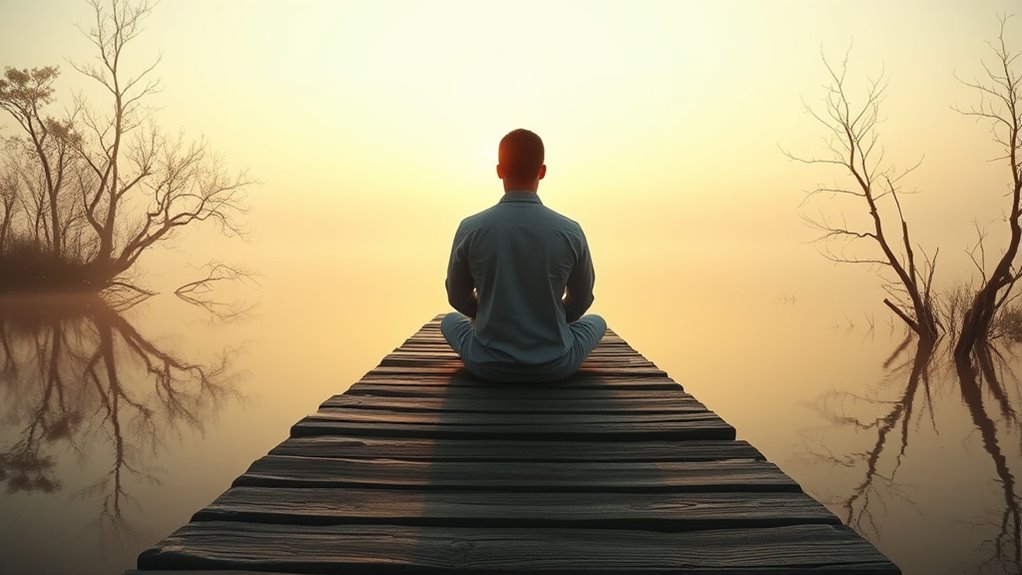

Self-reflection and solitude are essential for your healing journey because they help you reconnect with your true self amid everyday chaos. Taking time alone allows you to process emotions, gain clarity, and build emotional resilience. Journaling and nature walks serve as powerful tools to explore your inner thoughts and find peace outwardly. By making these practices part of your routine, you create a supportive environment that fosters growth and acceptance—if you continue, you’ll discover more ways to nurture your well-being.
Key Takeaways
- Self-reflection and solitude foster emotional resilience and personal growth in a fast-paced, chaotic world.
- They enable individuals to reconnect with their true selves, promoting honesty and acceptance.
- Practices like mindful journaling and nature walks help process emotions and gain clarity on personal patterns.
- Regular solitude creates a supportive environment for healing, reducing stress and enhancing well-being.
- Combining inward reflection with outward sensory experiences nurtures holistic self-awareness and inner peace.

In today’s fast-paced world, taking time for self-reflection and solitude can be the key to healing and personal growth. It’s easy to get caught up in the chaos of daily life, but carving out moments of quiet can help you reconnect with yourself. One effective way to do this is through mindful journaling. When you sit down with a journal, focus on your thoughts, feelings, and experiences without judgment. This practice encourages you to explore what’s truly going on inside, helping you process emotions and gain clarity. With each entry, you become more aware of patterns, triggers, and areas where you need healing. Mindful journaling isn’t about perfection; it’s about honesty and presence. It allows you to slow down, reflect deeply, and understand yourself better, which is essential for emotional resilience and growth.
Another powerful way to foster self-reflection and find solace is through nature walks. When you step outside and immerse yourself in the natural world, you give your mind a break from constant digital stimulation. As you walk, pay attention to your surroundings—the rustling leaves, the chirping birds, the feel of the breeze. Let nature’s sights and sounds ground you in the present moment. This mindful engagement with nature can enhance your sense of calm and help you gain perspective on your struggles. Nature walks can also serve as a meditative practice, where your focus shifts from worries to the simple beauty around you. This connection to nature often sparks insights about yourself and your journey, fostering a sense of peace and acceptance. Incorporating air purification can further create a calming environment, making your space more conducive to reflection and relaxation.
Both mindful journaling and nature walks complement each other beautifully. While journaling helps you explore your inner world, nature walks provide a space for reflection without words. Together, they create a balanced approach to healing—one inward and contemplative, the other outward and sensory. When you make these practices regular parts of your routine, you cultivate a habit of self-awareness that supports emotional healing and resilience. You start to notice how your thoughts and feelings evolve over time, and you develop a compassionate understanding of yourself. In the end, giving yourself permission to be still, to reflect, and to connect with nature can be transformative. It’s in these quiet moments that healing begins, and personal growth takes root.
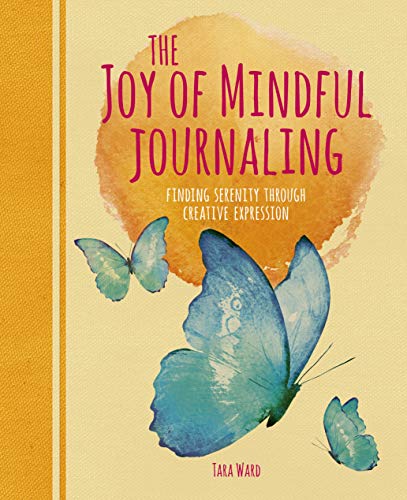
The Joy of Mindful Journaling: Finding Serenity Through Creative Expression (Sirius Mindful Journals)
As an affiliate, we earn on qualifying purchases.
As an affiliate, we earn on qualifying purchases.
Frequently Asked Questions
How Can I Start Practicing Self-Reflection Effectively?
To start practicing self-reflection effectively, set aside quiet time daily, even if just for a few minutes. Use mindfulness techniques like deep breathing to center yourself. Grab a journal and begin with simple journaling exercises, writing about your thoughts and feelings without judgment. Consistency helps, so make it a habit. Over time, you’ll notice greater clarity and emotional insight, fostering healing and personal growth.
What Are Common Obstacles to Embracing Solitude?
You may find solitude like a fragile glass, easily shattered by social stigma or daily distractions. The fear of judgment keeps you from embracing quiet moments, while busy routines drown out your inner voice. Overcoming these obstacles requires courage to see solitude as a sanctuary, not a burden. By gently pushing past societal expectations and carving out space in your day, you open the door to healing and self-discovery.
Can Solitude Lead to Feelings of Loneliness or Depression?
Yes, solitude can sometimes lead to feelings of loneliness or depression if you lack social connection. When you’re alone too often, your mental health may suffer without regular social interactions to boost your mood and sense of belonging. To prevent this, balance solitude with meaningful social connections. Taking time for yourself shouldn’t mean isolating completely; instead, use solitude as a way to recharge and reflect, enhancing your overall well-being.
How Long Should I Spend in Solitude for Healing?
You should spend enough time in solitude to let your mind gently settle, like a quiet lake. Start with daily meditation sessions of 10-20 minutes, gradually increasing as you feel comfortable. The key is consistency, so aim for regular solitude that feels restorative, not overwhelming. Listen to your inner rhythm—if you notice feelings of loneliness, step back and reconnect. Your healing journey thrives on gentle, mindful solitude.
Are There Risks Associated With Excessive Self-Reflection?
Yes, excessive self-reflection can pose risks like emotional overwhelm or mental fatigue. When you overanalyze, you might lose emotional awareness, making it harder to manage feelings, and struggle to maintain mental clarity. To avoid these pitfalls, balance self-reflection with activities that promote relaxation and perspective. Remember, too much introspection can hinder healing, so set healthy limits and seek support when needed.

NORTIV 8 Women's Hiking Shoes Lightweight Breathable Mesh Walking Sneakers Outdoor Work Shoes Wander,Size 8,Light Grey,SNHS222W
All-Day Comfort: Designed with breathable materials and lightweight construction, these women's hiking shoes ensure lasting comfort during hiking…
As an affiliate, we earn on qualifying purchases.
As an affiliate, we earn on qualifying purchases.
Conclusion
In embracing self-reflection and solitude, you unseal a power greater than a thousand storms—transforming pain into growth and chaos into clarity. By taking time for yourself, you become the hero of your own healing story, discovering depths you never knew existed. So, don’t shy away from these moments; they’re your secret weapons against life’s turbulence. Trust in their magic, and watch your wounds turn into wisdom, making you stronger than ever before.

LEVOIT Air Purifier for Home Allergens Pet Hair in Bedroom, Covers Up to 1073 ft² by 56W High Torque Motor, AHAM VERIFIDE, 3-in-1 Filter with HEPA Sleep Mode, Remove Dust Smoke Odor, Core300-P, White
WHY CHOOSE AHAM VERIFIDE AIR PURIFIERS: AHAM (Association of Home Appliance Manufacturers) is an ANSI-accredited organization that sets…
As an affiliate, we earn on qualifying purchases.
As an affiliate, we earn on qualifying purchases.

5 MINUTES A DAY Self-Care Notebook, Wellness & Daily Reflection Gratitude Journal & Mood Tracker for Women Self Care Planner, A5 Size (Pink)
✅ Focus On Self-Care With 91 Days For Well – Being: This manifestation journal is a 13-week guided…
As an affiliate, we earn on qualifying purchases.
As an affiliate, we earn on qualifying purchases.