
Practicing loving-kindness meditation helps you cultivate compassion within yourself, fostering emotional resilience and healing. By focusing on mindful breathing and gently sending kind thoughts to yourself, you create a safe, calming space for growth. This practice rewires your responses to stress, reduces negative self-talk, and nurtures a deeper sense of self-acceptance. Consistently engaging with loving-kindness enhances your capacity for empathy and connection, supporting ongoing self-healing—exploring these techniques further can deepen your emotional strength.
Key Takeaways
- Loving-kindness meditation cultivates self-compassion, reducing self-criticism and fostering emotional resilience essential for healing.
- Focusing on gentle phrases like “May I be happy” enhances inner warmth and promotes self-acceptance.
- Regular practice creates a calming internal environment that buffers stress and supports gradual emotional healing.
- Mindful awareness during practice helps notice and release negative feelings without judgment, aiding emotional processing.
- Consistent loving-kindness practice deepens self-awareness, strengthening inner strength and facilitating ongoing self-healing.
Have you ever wondered how simple practices can foster deep healing within yourself? Loving-kindness meditation offers a gentle yet powerful way to nurture your emotional well-being. At its core, this practice encourages you to cultivate feelings of compassion and warmth, not just toward others but inwardly toward yourself. When you begin, it’s helpful to focus on mindful breathing—paying close attention to each inhale and exhale. This simple act grounds you in the present moment, creating a calm space where emotional resilience can grow. As you breathe mindfully, you become more aware of your internal landscape, noticing feelings of tension, frustration, or self-criticism without judgment. This awareness is the foundation for genuine healing, helping you respond to emotional challenges with greater patience and compassion. Developing emotional resilience through consistent practice can significantly improve your overall well-being.
Practicing loving-kindness meditation regularly strengthens your emotional resilience. When you intentionally send kind thoughts to yourself, you reinforce a sense of safety and self-acceptance. Over time, this habit shifts your mindset from self-criticism to self-compassion, making you better equipped to handle life’s ups and downs. As you repeat phrases like “May I be happy,” “May I be healthy,” or “May I be at peace,” you foster an internal environment of kindness that buffers against negative self-talk and emotional setbacks. This process not only soothes your mind but also rewires your emotional responses, allowing you to stay grounded during stressful moments. It’s a gentle reminder that healing isn’t about fixing everything overnight but about creating a consistent practice of kindness toward yourself.
Loving-kindness meditation also enhances your capacity for empathy, which further deepens your emotional resilience. When you genuinely wish well for others, you strengthen your ability to connect and empathize, reducing feelings of isolation or loneliness. This expanded compassion feeds back into your relationship with yourself, encouraging you to treat yourself with the same warmth and understanding. As you cultivate these feelings through mindful breathing and repeated intentions, you gradually build a resilient inner foundation. Over time, you’ll notice a shift—you become less reactive to negative events and more able to respond with calmness and clarity. This is the essence of self-healing: creating a compassionate space within that nurtures growth, healing, and emotional strength, all rooted in simple, mindful practices.

Organic Round Meditation Cushion by renoo – Durable Comfortable Cotton, Linen, Hemp – Modern Zafu – Buckwheat Floor Pillow Yoga Bolster in 15 Colors Removable Cover – 15 inches – Ocean
DESIGNED FOR COMFORT, BEAUTY, and JOY: We believe that our living space affects our inner space. With that…
As an affiliate, we earn on qualifying purchases.
As an affiliate, we earn on qualifying purchases.
Frequently Asked Questions
Can Loving-Kindness Meditation Help With Chronic Physical Pain?
Loving-kindness meditation can help with chronic physical pain by strengthening your mindfulness connection and emotional resilience. As you focus on cultivating compassion and positive feelings, you may notice reduced stress and improved pain management. This practice encourages a gentle, accepting attitude towards your pain, which can lessen its impact. Over time, it helps you develop emotional resilience, making it easier to cope with ongoing discomfort and enhancing your overall well-being.
How Long Should I Practice Daily for Noticeable Benefits?
You should aim for 10 to 20 minutes of loving-kindness meditation daily for noticeable benefits. Consistency is key, so setting a regular practice schedule helps build momentum and deepen your experience. Over time, this duration guidance can lead to improved emotional well-being, reduced pain, and greater self-compassion. Stick with it daily, and you’ll likely notice positive changes in your mental and physical health.
Is This Meditation Suitable for Beginners With No Meditation Experience?
Imagine opening a gentle door into a warm, welcoming room—that’s what loving-kindness meditation feels like for beginners. This practice is perfect for those new to meditation techniques because it guides you with simple phrases and calming imagery. While beginner challenges like focus and patience may arise, start with short sessions. Over time, you’ll find it easier to cultivate compassion and self-healing, making each practice more meaningful.
Can Loving-Kindness Meditation Improve Mental Health Conditions?
Loving-kindness meditation can definitely improve your mental health by boosting emotional resilience and fostering self-compassion. As you practice regularly, you’ll notice increased positive emotions, reduced anxiety, and better stress management. This meditation helps you develop a kinder attitude toward yourself and others, which can alleviate feelings of loneliness or depression. Over time, these benefits strengthen your mental well-being, making it a valuable tool for managing various mental health conditions.
What if I Find It Difficult to Generate Feelings of Love and Kindness?
You might feel like an emotional barrier is blocking your ability to generate love and kindness. That’s normal, and cultivating compassion takes time. Instead of forcing feelings, gently acknowledge your struggles and focus on sending well-wishes to yourself and others. Practice patience, understanding that these feelings develop gradually. Over time, consistent effort can dissolve those barriers, transforming your emotional landscape into a more loving and compassionate space.

Meditation Starter Kit: Unlock Calm and Clarity
As an affiliate, we earn on qualifying purchases.
As an affiliate, we earn on qualifying purchases.
Conclusion
As you practice loving-kindness meditation, imagine planting seeds of compassion that grow into healing trees within you. Just like a gardener tends to fragile sprouts, your daily effort nurtures inner peace and resilience. Remember, even a small act of kindness toward yourself can blossom into profound self-healing. Keep watering those seeds with patience and love, and you’ll watch your inner garden flourish, transforming pain into gentle, enduring strength.

The Self-Compassion Journal: Prompts and Practices to Inspire Kindness in Your Thoughts, Emotions, and Actions
As an affiliate, we earn on qualifying purchases.
As an affiliate, we earn on qualifying purchases.
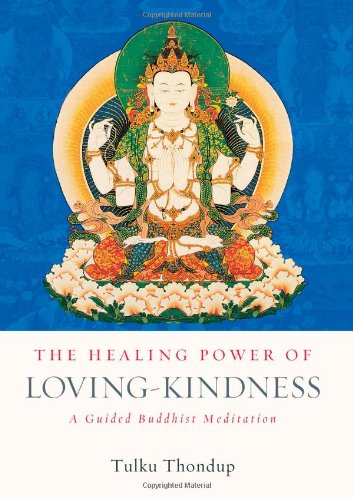
The Healing Power of Loving-Kindness (Book and Audio-CD Set): A Guided Buddhist Meditation
Used Book in Good Condition
As an affiliate, we earn on qualifying purchases.
As an affiliate, we earn on qualifying purchases.