
Healing isn’t about reaching a flawless state where pain and imperfections disappear. Instead, it’s a continuous journey of growth, acceptance, and resilience. You learn to live with scars and vulnerabilities, understanding that setbacks are part of progress. Patience and self-compassion help you stay present and avoid perfectionism. If you keep exploring, you’ll discover how embracing your ongoing process leads to genuine self-awareness and strength, not unattainable perfection.

Turn your quiet moments into listening time
- Thousands of audiobooks, podcasts and originals
- Listen on your phone, tablet or Echo — also offline
- Cancel anytime
Key Takeaways
- Healing is a continuous journey focused on growth and acceptance, not achieving flawlessness or perfection.
- It involves learning to live with scars and vulnerabilities, emphasizing resilience over perfection.
- Progress in healing takes time, patience, and self-compassion, rather than instant results or idealized outcomes.
- True healing encourages self-awareness, mindfulness, and kindness, which differ from striving for an unattainable perfect state.
- The goal of healing is authentic self-growth, not the elimination of imperfections or mistakes.

Healing isn’t about reaching some flawless state where all pain and imperfections vanish; instead, it’s an ongoing process of growth and acceptance. You might wish for a moment when everything feels completely right or when your wounds are fully closed, but healing isn’t about perfection. It’s about learning to live with your scars, embracing your vulnerabilities, and building emotional resilience. When you understand that healing involves accepting yourself as you are—flaws, mistakes, and all—you start to see growth as a continuous journey rather than a final destination. Self-acceptance isn’t about complacency or settling; it’s about recognizing your worth despite imperfections and choosing to move forward with compassion for yourself.
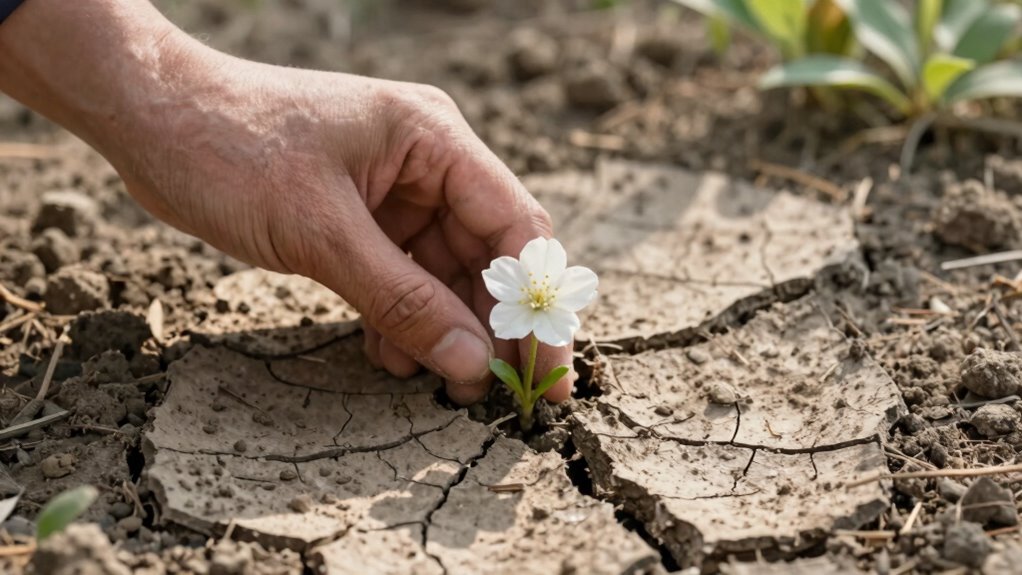
Healing is a journey of embracing imperfections and growing with compassion and resilience.
In this process, emotional resilience plays a *vital* role. Resilience isn’t about avoiding challenges or never feeling hurt; it’s about how you respond when difficulties arise. Every setback, every painful experience, becomes an opportunity to strengthen your inner core. As you develop emotional resilience, you learn to bounce back faster, to find lessons in hardship, and to maintain a balanced perspective. This resilience allows you to handle life’s ups and downs without losing sight of your worth or becoming overwhelmed by setbacks. When you see healing as a dynamic process, you realize that setbacks are not failures but part of growth. This mindset helps you stay committed to self-acceptance, even when progress feels slow or uneven. Additionally, understanding the importance of emotional resilience from a holistic perspective can enhance your overall well-being and support your healing journey. Recognizing that healing involves a long-term process helps set realistic expectations and fosters patience. Developing emotional resilience also involves cultivating a mindset of mindfulness, which helps you stay present with your feelings and reduces the tendency to judge or suppress them.
You also learn that healing involves patience. Perfection suggests instant results, but real growth takes time. You’ll have days when you feel like you’re making no progress at all. That’s okay. Healing isn’t about erasing pain but understanding it, processing it, and learning how to coexist with it. As you deepen your self-acceptance, you stop criticizing yourself for having struggles. Instead, you nurture a compassionate attitude, recognizing that everyone’s journey is unique. It’s important to remember that self-compassion plays a crucial role in fostering ongoing healing and resilience. Embracing this truth reduces the pressure to be perfect and opens space for authentic self-growth. Recognizing that perfectionism can hinder genuine progress encourages you to focus on meaningful improvements rather than unattainable ideals.
Ultimately, healing isn’t about becoming flawless. It’s about becoming more self-aware and resilient, accepting your imperfections, and trusting that you’re enough as you are. When you shift your focus from perfection to progress, you allow yourself the grace to heal authentically. It’s through this ongoing act of acceptance that true growth happens, and that’s what makes healing meaningful and sustainable.
As an affiliate, we earn on qualifying purchases.
Frequently Asked Questions
Can Healing Happen Without Addressing Past Trauma?
Healing can happen without fully addressing past trauma, but it often requires building emotional resilience and practicing self-acceptance. By focusing on the present moment and nurturing a compassionate attitude toward yourself, you can experience growth. However, ignoring deep-rooted trauma may limit long-term progress. True healing involves acknowledging pain, which leads to greater emotional resilience and genuine self-acceptance, ultimately fostering lasting well-being and inner peace.
Is Perfection Necessary for True Healing?
Sometimes, you find that perfection isn’t necessary for true healing—it’s a coincidence you realize this. Instead, embracing self-acceptance and adopting a growth mindset helps you heal without aiming for flawlessness. When you accept your imperfections, you open the door to genuine growth. Healing isn’t about being perfect; it’s about progress, learning, and loving yourself through the journey. That’s where real transformation begins.
How Long Does Real Healing Typically Take?
Real healing varies for each person, often taking months or even years. It requires you to build emotional resilience and engage in self-discovery, which can speed up the process. You might experience setbacks, but with patience and persistence, progress becomes clearer. Remember, healing isn’t about perfection but growth. Trust that as you nurture your emotional resilience, your journey toward wholeness will unfold naturally over time.
Can Healing Occur Without External Support?
Yes, healing can occur without external support if you develop emotional independence and practice self-healing techniques. You’re capable of guiding your own recovery by tuning into your feelings, setting boundaries, and using mindfulness or journaling to process emotions. While external support can help, trusting your inner strength and applying these techniques empower you to heal at your own pace, fostering resilience and self-awareness along the way.
Does Healing Mean All Pain Will Disappear?
No, healing doesn’t mean all pain will vanish. It’s about building emotional resilience and embracing self-acceptance, even when wounds linger. You might think the pain should disappear completely, but true healing transforms how you respond to it. You learn to hold space for your struggles, not erase them. The journey reveals that healing is ongoing, and sometimes, the deepest growth comes from learning to live with what remains.
As an affiliate, we earn on qualifying purchases.
Conclusion
Remember, healing isn’t about reaching perfection—it’s about progress. Nearly 70% of people who seek emotional healing report feeling more resilient and at peace, yet they still face setbacks. Embrace your journey, knowing that setbacks are part of growth. You don’t have to be perfect to heal; you just need to keep moving forward. Celebrate small victories along the way, and trust that every step brings you closer to true well-being.
As an affiliate, we earn on qualifying purchases.
self-acceptance affirmation cards
As an affiliate, we earn on qualifying purchases.
As an affiliate, we earn on qualifying purchases.
Evergreen bestsellers Picks
bestsellers
As an affiliate, we earn on qualifying purchases.