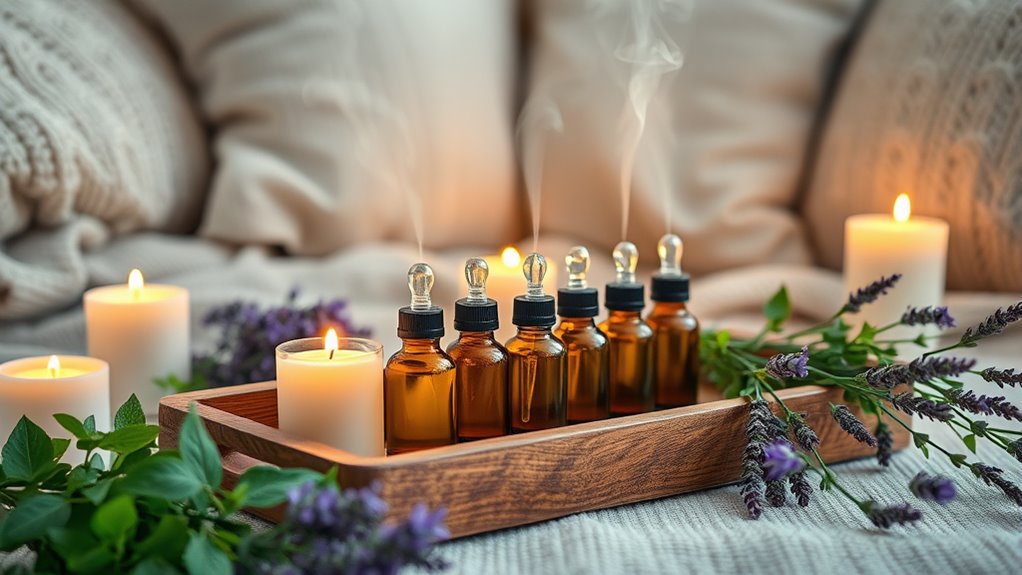

Aromatherapy with essential oils can support your emotional healing by interacting with your limbic system, which influences feelings and memories. Scents like lavender and chamomile calm nerves, while citrus oils boost mood and energy. Combining these oils or using diffusers can create a balanced atmosphere that promotes relaxation and emotional resilience. With consistent use, aromatherapy offers a natural path to improved emotional well-being—discover more ways it can help you on your journey.
Key Takeaways
- Aromatherapy uses scents to interact with the limbic system, influencing emotions and memories for emotional healing.
- Essential oils like lavender and chamomile soothe nerves, reduce stress, and promote relaxation.
- Citrus oils such as orange and lemon elevate mood, boost energy, and foster feelings of happiness.
- Blending different essential oils creates tailored emotional benefits, supporting resilience and emotional stability.
- Regular use of diffusers and topical applications enhances mental clarity and overall emotional well-being.
Have you ever wondered how scents can influence your mood and emotional well-being? Aromatherapy leverages the power of essential oils to tap into your senses and create a profound impact on your emotional state. When you inhale certain aromas, they interact with your limbic system, the part of your brain responsible for emotions and memories. This connection means that the right scent can help you feel calmer, happier, or more centered. Many people turn to aromatherapy to find natural ways to manage stress and boost their mood, making it a popular choice for emotional healing.
Stress reduction is one of the most immediate benefits of using essential oils. If you’re feeling overwhelmed or anxious, inhaling oils like lavender, chamomile, or bergamot can help soothe your nerves. These aromas have calming properties that slow your heart rate and relax your muscles, providing a gentle escape from daily pressures. Diffusing these scents in your home or workspace creates an environment that encourages relaxation. You might notice that just a few breaths of lavender can help lower your stress levels and bring a sense of peace. This isn’t just about temporary relief; consistent use of stress-relieving oils can build resilience over time, helping you better handle future stressors.
In addition to calming your nerves, essential oils can also serve as mood enhancers. When you need a pick-me-up or want to lift your spirits, citrus oils like orange, lemon, or grapefruit can do wonders. Their bright, invigorating scents stimulate your senses and promote feelings of happiness and energy. Using these oils during moments of fatigue or sadness can shift your emotional tone, making you feel more alert and positive. Many people incorporate citrus scents into their morning routines or workspaces to foster motivation and a cheerful outlook. These oils don’t just mask feelings of gloom; they actively influence your brain chemistry, releasing feel-good hormones such as serotonin and endorphins.
Combining different essential oils can amplify their emotional benefits. For example, blending lavender with citrus oils can create a balanced atmosphere that reduces stress while uplifting your mood. You have the flexibility to use these oils in various ways—diffusing, applying topically with a carrier oil, or adding them to a warm bath. Each method enhances your experience and allows you to tailor your aromatherapy practice to your emotional needs. Over time, integrating essential oils into your routine can help you develop a more resilient emotional outlook, guiding you toward greater mental clarity, emotional stability, and overall well-being. Incorporating aroma diffuser use can also optimize the distribution of these beneficial scents throughout your space.

HIQILI Lavender Essential Oil 30mL – 100% Pure Undiluted for Diffuser, Sleep, Skin & Hair – Therapeutic Grade, GC/MS Tested, IFRA Certified
Leak-Proof Design for Safe Use: Our essential oil comes with a secure dropper cap designed to reduce spills…
As an affiliate, we earn on qualifying purchases.
As an affiliate, we earn on qualifying purchases.
Frequently Asked Questions
Can Essential Oils Replace Professional Therapy for Emotional Issues?
Essential oils can’t replace professional therapy for emotional issues, but they can serve as a helpful complementary therapy. You might find that certain scents provide emotional support, helping you relax or lift your mood. However, for serious emotional concerns, it’s vital to seek guidance from a mental health professional. Essential oils can enhance your overall well-being, but they shouldn’t be relied on as the sole solution for emotional healing.
Are There Any Side Effects From Long-Term Use of Essential Oils?
While essential oils can offer emotional support, long-term use might pose risks like potential allergenicity or chemical dependency. You could develop sensitivities over time, leading to skin irritation or allergic reactions, especially if you don’t dilute properly. Additionally, reliance on oils for emotional comfort might create dependency, making it harder to cope without them. Use them cautiously, and always consult a healthcare professional for prolonged use.
How Do I Choose the Right Essential Oil for My Mood?
To choose the right essential oil for your mood, start by considering your scent preferences and how they make you feel. Focus on mood matching—if you want to relax, try lavender or chamomile; if you need energy, opt for citrus scents like orange or lemon. Trust your intuition and test different oils to see which ones uplift or calm you, ensuring your choices align with your emotional needs.
Is Aromatherapy Safe During Pregnancy or for Children?
Aromatherapy can be safe during pregnancy and for children if you choose the right oils and use them properly. Always prioritize pregnancy safety by avoiding certain oils like clary sage and cinnamon, and dilute essential oils well. For children’s use, opt for gentle, kid-friendly oils and consult a healthcare professional beforehand. Never apply essential oils directly to the skin without proper dilution, and monitor for any adverse reactions.
How Often Should I Use Essential Oils for Emotional Healing?
An ounce of prevention is worth a pound of cure, so follow the recommended frequency guidelines for emotional healing. You should use essential oils daily or as needed, but avoid overuse. Apply with gentle techniques like diffusing, massage, or inhalation. Listen to your body—if you notice any irritation, cut back. Consistent, mindful application helps support emotional balance without overwhelming your senses.

Gya Labs Deep Calm Essential Oil Blend for Relaxation & Emotional Balance – 0.34 fl oz – Calm Aromatherapy Oils for Diffusers, Humidifiers, Aromatherapy – Suitable for Work, Home or Personal Use
A Moment of Tranquility Awaits. Transform your space with the Deep Calm Essential Oil Blend for diffuser oils….
As an affiliate, we earn on qualifying purchases.
As an affiliate, we earn on qualifying purchases.
Conclusion
Don’t let doubts hold you back from experiencing the emotional healing aromatherapy offers. While some think it’s just a placebo, many find comfort and relief through its natural scents and calming properties. Just give it a try—diffuse your favorite oils, breathe deeply, and see how your mood shifts. You might be surprised at how powerful simple, natural remedies can be in restoring balance and peace to your emotional well-being.

Uplift Aromatherapy Essential Oil Blend – Happy Essential Oil Blend with Calming Essential Oils for Diffusers for Home and Travel with Citrus Essential Oils and Pure Aromatherapy Oils for Diffusers
Aromatherapy Diffuser Oils – Uplift your mood with our pure relaxing essential oils blend with natural aromatherapy essential…
As an affiliate, we earn on qualifying purchases.
As an affiliate, we earn on qualifying purchases.
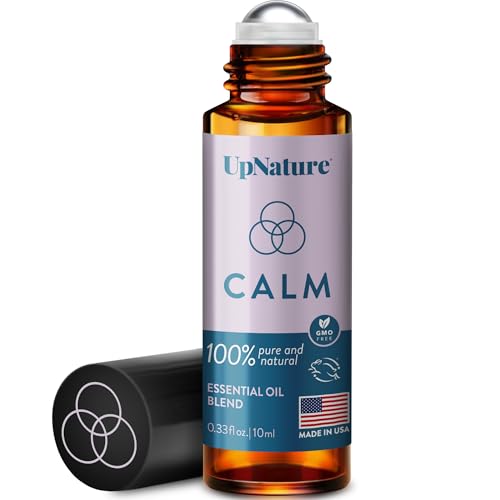
UpNature Calm Essential Oil Roll On – 100% Natural Aromatherapy Blend for Relaxation Relief – Self Care Gifts for Women Easter Basket Stuffers for Teens
Aromatherapy – Discover the power of relaxation with UpNature's Calm Essential Oil Roll-On Blend. This 100% natural aromatherapy…
As an affiliate, we earn on qualifying purchases.
As an affiliate, we earn on qualifying purchases.