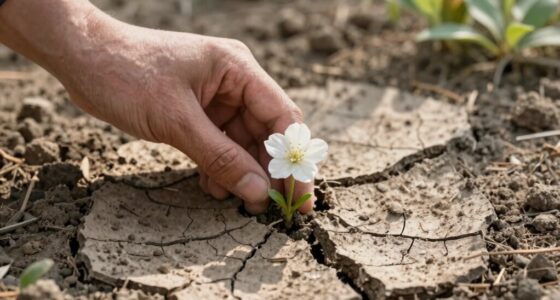

Practicing gratitude can truly heal your heart by shifting your focus to positive moments and fostering emotional resilience. You can start by mindful journaling, where you intentionally note moments of joy and appreciation, rather than wants. Adding regular gratitude meditation helps deepen this awareness, balancing difficult feelings with thankfulness. Combining these practices creates a powerful routine that rewires your emotional outlook for lasting healing. Keep exploring to discover how these simple steps can transform your well-being.
Key Takeaways
- Engage in mindful journaling to focus on positive moments and reframe negative thoughts with gratitude.
- Practice daily gratitude meditation to foster presence, release resentment, and strengthen positive emotional pathways.
- Incorporate regular mindfulness techniques to enhance emotional resilience and deepen feelings of thankfulness.
- Combine journaling and meditation routines for lasting emotional healing and a more optimistic outlook.
- Recognize and appreciate everyday blessings to cultivate heart healing and foster emotional growth.

Have you ever wondered how simple acts of gratitude can transform your outlook on life? It’s remarkable how small shifts in perspective can lead to profound healing of the heart. One effective way to cultivate this shift is through mindful journaling. When you sit down with a pen and paper, taking a moment to reflect on what you’re thankful for, you create space to acknowledge the positive aspects of your life. Mindful journaling isn’t about listing everything you want or need; it’s about intentionally focusing your attention on things that bring you joy, comfort, or gratitude. As you write, you start to notice patterns—people, moments, or qualities that uplift you. This practice helps you reframe negative thoughts and develop a more compassionate view of yourself and your experiences. Over time, it becomes easier to see blessings even in difficult circumstances, fostering emotional resilience and healing.
Alongside journaling, gratitude meditation plays a crucial role in nurturing a grateful heart. During gratitude meditation, you focus your mind on feelings of thankfulness, often visualizing moments or people who have positively impacted your life. This practice encourages you to stay present and deepen your awareness of the good around you. It’s not about denying pain or hardship but balancing those feelings with appreciation for the love, support, and beauty that still exist. Regular gratitude meditation helps you shift your emotional state from stress or sadness to hope and contentment. You may find that, with consistent effort, your heart begins to soften, releasing grudges and resentment that block healing. As you meditate on gratitude, you strengthen neural pathways associated with positive emotions, making it easier to access feelings of appreciation throughout your day. Incorporating practices like mindfulness techniques can further enhance your emotional well-being and resilience.
These practices are simple but powerful tools for healing. When you combine mindful journaling and gratitude meditation, you create a daily routine that anchors you in appreciation, even amid challenges. The key is consistency—dedicating a few minutes each day to reflect and meditate on what you’re grateful for allows these feelings to grow and deepen. Over time, you’ll notice a shift in how you view yourself and the world around you. Your heart becomes more open, forgiving, and resilient. The act of consciously practicing gratitude rewires your emotional landscape, helping you find peace and healing from within. It’s a gentle reminder that, despite life’s hardships, there’s always something to be thankful for—something worth holding onto as you move forward.

Sweet Water Decor Be Mindful 5 Minute Journal – Daily Gratitude Prompted Journal for Women, 184 Pages Daily Mindfulness Journal – Pastel Journal with Gold Foil Accents and Ribbon Bookmark
SELF CARE JOURNAL – Our guided daily reflection journal can be filled out as a morning journal and…
As an affiliate, we earn on qualifying purchases.
As an affiliate, we earn on qualifying purchases.
Frequently Asked Questions
Can Gratitude Practices Improve Long-Term Emotional Health?
Yes, gratitude practices can improve your long-term emotional health. By incorporating mindfulness meditation, you become more aware of positive moments, helping you manage stress and negative emotions. Practicing self-compassion techniques allows you to be kinder to yourself, fostering resilience. Over time, these habits strengthen your emotional well-being, reduce anxiety, and promote a more optimistic outlook, making gratitude a powerful tool for lasting mental health benefits.
Are There Specific Gratitude Exercises for Heart Healing?
Think of your heart as a garden that needs tending. You can try heart-centered meditation to focus on love and compassion, letting gratitude bloom naturally. Loving kindness exercises, where you send positive wishes to yourself and others, are also powerful. These practices help open your heart, foster forgiveness, and heal emotional wounds, creating space for gratitude to grow and nurture your emotional well-being.
How Quickly Can Gratitude Impact Emotional Healing?
You can notice emotional healing from gratitude practices like gratitude journaling and mindful appreciation fairly quickly, often within days or weeks. By consistently focusing on positive aspects and expressing gratitude, you activate emotional resilience and foster healing. When you make gratitude a daily habit, you’ll likely see improvements in your mood and overall well-being, helping your heart heal faster as you shift your focus toward appreciation and positivity.
Can Gratitude Help With Grief or Loss Recovery?
Yes, gratitude can help with grief processing and loss acceptance. When you focus on what you’re thankful for, it shifts your perspective, making it easier to find moments of peace amidst pain. Practicing gratitude daily helps you acknowledge the good even during tough times, fostering emotional resilience. Over time, this approach supports your healing journey, allowing you to accept your loss with greater compassion and understanding.
Are There Recommended Gratitude Routines for Busy Schedules?
Yes, you can incorporate gratitude routines even with a busy schedule. Try mindful journaling for just a few minutes daily to reflect on what you’re thankful for, or practice gratitude meditation during short breaks. These quick, intentional activities help you stay connected to positivity without taking up much time, making it easier to nurture your heart amid a hectic routine.

Retrospec Sedona Zafu Meditation Cushion with Buckwheat Hull Fill – Adjustable Yoga & Pilates Equipment Support – 17in Crescent Cotton Cover
NATURAL COMFORT & SUPPORT: Filled with sustainable buckwheat hulls, this meditation cushion elevates your practice by aligning your…
As an affiliate, we earn on qualifying purchases.
As an affiliate, we earn on qualifying purchases.
Conclusion
By embracing gratitude practices, you open your heart like a blooming flower, allowing healing to flow in. Each moment of thanks transforms pain into peace, making your soul lighter and more resilient. Remember, gratitude isn’t just a feeling—it’s a daily choice that nurtures your emotional well-being. So, keep cultivating gratitude, and watch your heart blossom with love and healing, turning life’s hardships into opportunities for growth and renewal.

The Gratitude Journal for More Happiness, Optimism, Affirmation & Reflection – An Effective Manifestation Guide Journal, Undated Daily Journals for Women & Men (Beige)
Boost your happiness with gratitude: Scientific studies have shown that practicing gratitude can lead to greater optimism and…
As an affiliate, we earn on qualifying purchases.
As an affiliate, we earn on qualifying purchases.

Mindful Souls Spiritual Healing Gift Set – Meditation & Mindfulness Box with Buddha Figurine, Healing Crystals, Mala Beads, Essential Oil & Gemstone Jewelry – Holistic Self-Care & Inner Peace Kit
HOLISTIC HEALING FOR MIND & SOUL – Embrace a calming, holistic approach to wellness that helps transform everyday…
As an affiliate, we earn on qualifying purchases.
As an affiliate, we earn on qualifying purchases.